Allegri's Two‑Match Ban: A Napoli Scandal That Could Shake the Italian Football Landscape
Allegri’s Two‑Match Ban: A Napoli Scandal That Could Shake the Italian Football Landscape
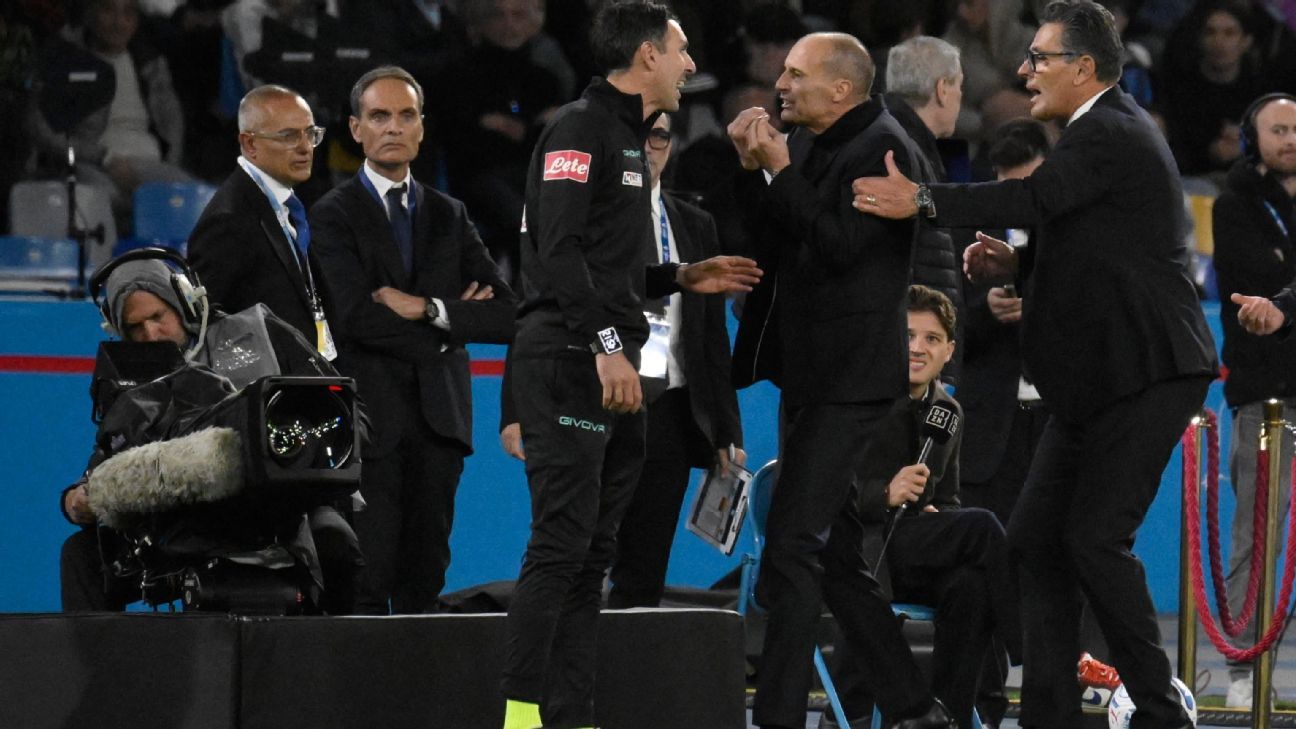
When a top‑tier manager like Massimiliano Allegri—the architect of several Champions League campaigns—finds himself in the hot‑seat of controversy, the ripple effects are felt far beyond the club’s own dressing room. Napoli’s decision to appeal the two‑match ban handed to allegri's following the 3‑3 draw with roma is not just a legal footnote; it’s a political statement about authority, respect, and the future of Serie A. The stakes rise for every club in the league, including Barcelona, which is watching the drama unfold with the same intensity it reserves for La Liga battles.
Why Napoli’s Appeal Matters
Napoli’s appeal is a bold move that challenges the arbiters of football discipline. In Italy, a ban of this magnitude is usually considered a last resort, reserved for the most egregious breaches of conduct. Allegri’s public insults—“the referee is a piece of shit” and a barrage of profanity—were not mere hyperbole; they were an open affront to the governing body’s authority. Napoli’s legal team is arguing that the punishment is disproportionate, citing Allegri’s decades of clean record and his contributions to Italian football. If the appeal succeeds, the precedent will be chilling: managers might feel emboldened to use less restrained language, knowing that the disciplinary system could be circumvented.
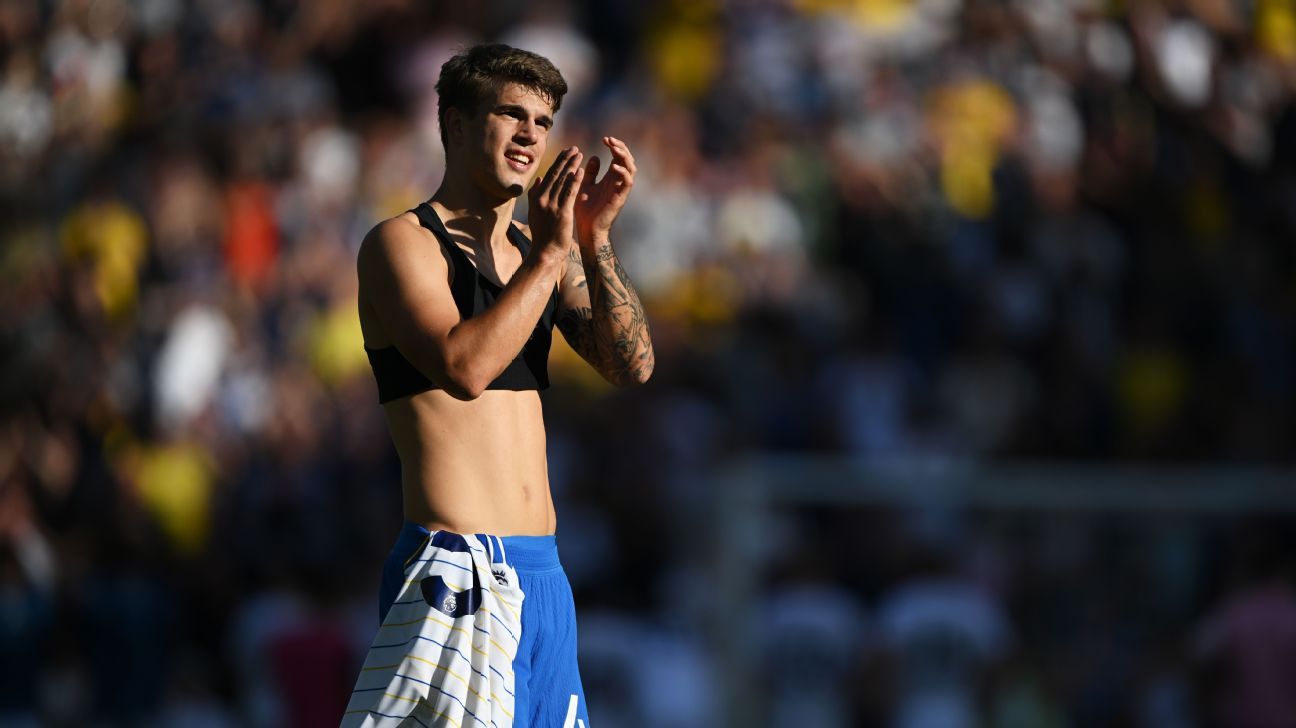
For Barcelona, the implications are twofold. First, the club’s own coaching staff has to confront the question of how far they are willing to push the boundaries of temper in high‑pressure matches. The question isn’t theoretical; it’s already being asked in the dressing rooms of La Liga’s elite. Second, the appeal could indirectly affect the transfer market, as top talent may seek clubs with more stable, disciplined environments. A chaotic Serie A could push stars like Nico González or Rafael Leao to consider moves to leagues where the managerial culture is perceived as more respectful—potentially turning the tables on Barcelona’s signings.
The Ripple Effect on Serie A
The ban, if upheld, would mean that Napoli misses two crucial fixtures—both of which could be decisive in the title race. In the current season, Napoli sits in the top four, a position that could be jeopardised by even a single drop in points. The two‑match absence would give rivals Juventus, Inter, and Atalanta a chance to close the gap. Moreover, the disciplinary action sends a clear message that the league’s governing bodies are not afraid to use stern measures to maintain order.
On the flip side, if the appeal is successful, Napoli could return to the pitch with a manager who has a history of fierce competitiveness but a track record of clean contests. The decision will either cement Napoli’s reputation as a club that fights for every advantage or expose its willingness to gamble with its standing. Either outcome will shape how Roma and the rest of Serie A approach their own managerial conduct, and the league’s reputation on the international stage.
The Impact on Barcelona’s Front‑Line
Barcelona’s own contention for the Champions League is being eclipsed by a growing sense of insecurity about the stability of its coaching environment. The club recently appointed a young, dynamic manager who is still learning how to manage the emotional rollercoaster of top‑tier football. The Allegri episode is a cautionary tale: a manager’s temper can cost a club points, players’ confidence, and fan support. Barcelona’s board must weigh whether a more disciplined, perhaps less flashy approach is necessary to keep the club on track for a title.
There is also a direct player implication. Pedri and Gavi thrive under a coach who believes in their potential and gives them space to grow. They are not fans of a manager who will get banned and leave them in limbo. A stable managerial presence is essential if Barcelona is to sustain its position at the top of the FIFA rankings and maintain consistency in both domestic and European competitions.
A Broader Question of Authority
Beyond the immediate tactical and financial ramifications, the Napoli case raises a philosophical question: who holds the ultimate authority in football? The fans, the club, the league, or the referees? Allegri’s outburst was a direct attack on the referee’s authority, and the ban is a statement that the sport’s power structures will not be taken lightly. For Barcelona, where the culture of “La Masia” and collective responsibility has been a cornerstone, the incident is a stark reminder that the sport is not immune to the human failings of its leaders.
The dialogue about respectful conduct in football has never been more urgent. Social media amplifies every word, and clubs are under constant scrutiny from global audiences. The BarcaPulse community demands accountability. Napoli’s appeal, whether successful or not, will either reinforce or undermine the collective ethos that keeps clubs like Barcelona united and resilient.
Final Thoughts
Napoli’s decision to appeal Allegri’s two‑match ban is more than a legal maneuver; it’s a statement about control, respect, and the future of football's governance. For Barcelona, it is a mirror reflecting the importance of a disciplined, visionary leadership that can navigate the pressures of modern football without compromising integrity. Whether the appeal is upheld or overturned, the episode will shape the narrative of Serie A for the season and beyond, and the ripple effects will be felt across the global football community.
In a sport that thrives on passion, the line between fervor and disrespect is thin—and the consequences of crossing it are costly. Napoli’s appeal will be closely watched, and the outcome will reverberate through clubs, players, and fans alike, reminding us that football is as much about character as it is about skill.
Source: Napoli to appeal Allegri's two-match ban for insulting ref in Roma draw