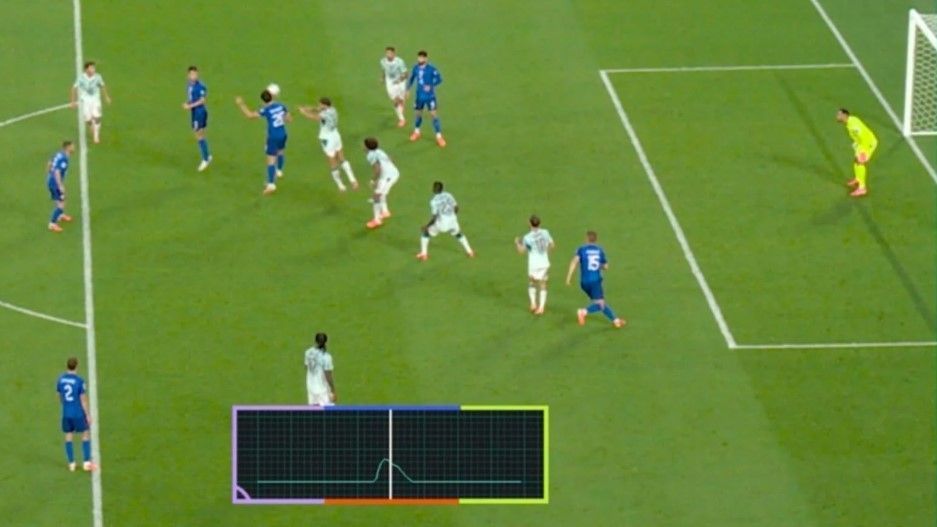
Controversy Erupts: Croatia's Denied Equalizer Sparks VAR Debate
The beautiful game has once again found itself at the center of controversy, this time courtesy of a VAR review that has left many questioning the system's effectiveness. In a recent match, Croatia was denied an equalizer, sparking heated debates among fans and pundits alike. As we delve into the details of this incident, it's essential to consider the broader implications for the sport, particularly for clubs like FC Barcelona, who have often found themselves on the receiving end of VAR's whims.
At the heart of this controversy is the VAR system itself, designed to eliminate clear and obvious errors in refereeing decisions. However, the implementation of VAR has been anything but smooth, with many instances where the technology has either failed to correct egregious mistakes or, conversely, intervened in situations where human judgment would have sufficed. The question of why VAR sometimes seems to magnify rather than mitigate controversies is complex, involving factors from the training of VAR officials to the nuances of the rules themselves. For Croatia, the denied equalizer not only affected the outcome of their match but also raised broader questions about fairness and consistency in the application of VAR.
The context of this incident is crucial, especially considering the high stakes of international competitions like the World Cup. Teams like Croatia, who have shown remarkable resilience and skill on the pitch, deserve to have their efforts judged fairly and without the shadow of doubt that VAR controversies can cast. For FC Barcelona, who have their own share of international players participating in these tournaments, the reliability and fairness of VAR are not just abstract concerns but have direct implications for their players' success and morale. When a player like Luka Modrić, known for his exceptional skill and dedication, is involved in a controversial decision, it highlights the human aspect of the game that VAR is supposed to support, not undermine.
The VAR review process, which is supposed to be a tool for ensuring justice on the pitch, has instead become a focal point of frustration for many. The reasons behind this are multifaceted, ranging from the subjective nature of many football decisions to the technical limitations of the VAR system itself. In the case of Croatia's denied goal, the specifics of why the equalizer was not awarded will be debated, but what's clear is that the current state of VAR is not meeting its intended purpose of providing clarity and fairness. For Barcelona and other top-tier clubs, the inconsistency of VAR can be particularly challenging, as it not only affects match outcomes but also influences player and team morale, potentially impacting their performance in subsequent matches.
As the sport moves forward, it's imperative that the governing bodies take a closer look at the VAR system and its implementation. This includes not just the technology itself but also the training and protocols surrounding its use. The goal should be to create a system that supports the referees in making accurate decisions without overshadowing the human element of the game. For teams like Croatia, who have shown incredible spirit and talent, and for clubs like Barcelona, who are always under the microscope, a fair and reliable VAR system is not just a desire but a necessity. The fans, the players, and the sport as a whole deserve better than to have matches decided by controversial decisions that could have been avoided with a more refined and consistent application of technology.
In conclusion, the denied equalizer for Croatia is more than just a singular incident of VAR controversy; it's a symptom of a larger issue that needs addressing. As we move forward into the World Cup 2026 and beyond, it's crucial that lessons are learned from such incidents. For FC Barcelona and their fans, the hope is that these lessons will contribute to a more consistent and fair application of VAR, ensuring that the beautiful game can be enjoyed for its skill, strategy, and sportsmanship, rather than being overshadowed by controversy and doubt. The future of football depends on striking the right balance between technology and the human spirit of the game, and it's time for the football community to come together to achieve this goal.
Ultimately, the debate over VAR and its impact on the game will continue, with incidents like the denied equalizer for Croatia serving as a reminder of the work still to be done. As fans of FC Barcelona and the wider football community, we can only hope that these discussions lead to positive change, ensuring that the game we love remains a celebration of talent, teamwork, and fair play, rather than a battleground for technological and bureaucratic disputes. The road ahead will undoubtedly be challenging, but with a collective commitment to fairness, transparency, and the advancement of the sport, we can look forward to a future where VAR enhances the game without overshadowing it.
Source: VAR review: Why were Croatia denied an equalizer d...