Haaland’s ‘Stay Positive’ Man City: A Barcelona‑Blinking Warning for the La Liga Title Race
Haaland’s Rally Cry in the Midst of a Premier League Weather‑Storm
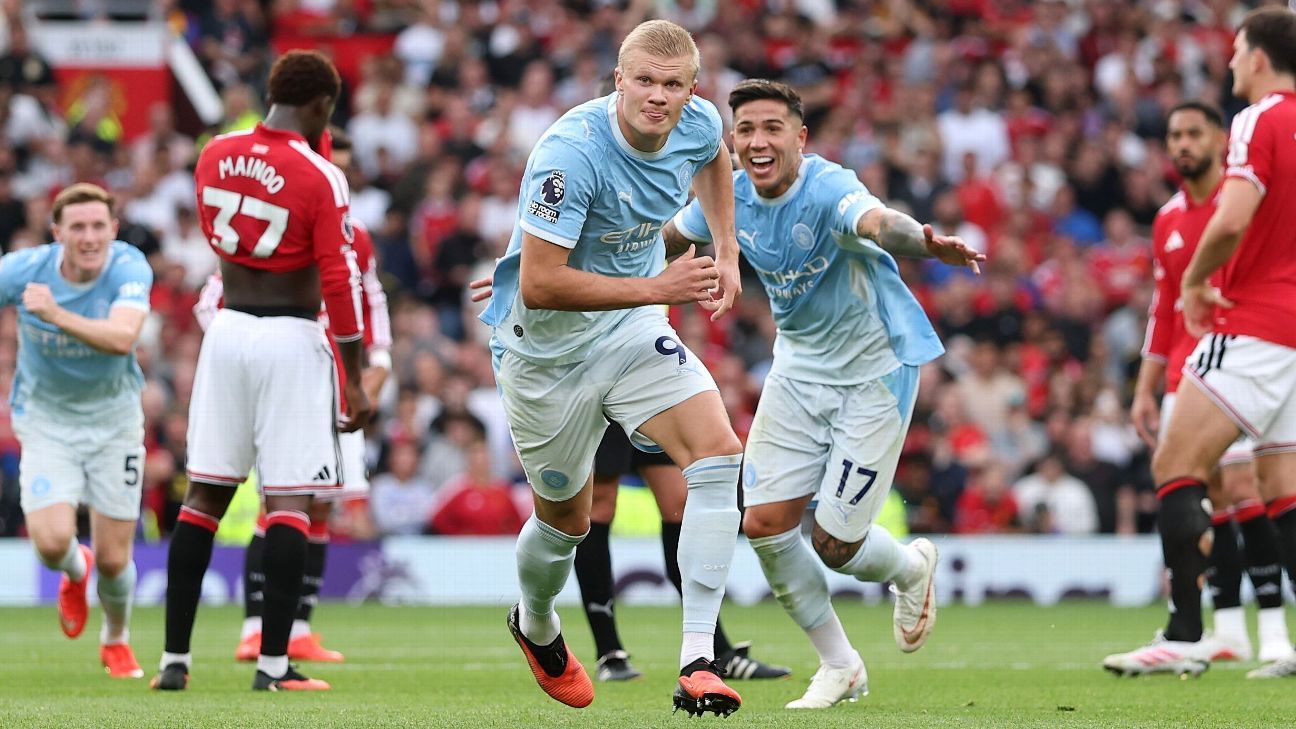
Erling Haaland’s latest out‑of‑the‑box comment—“everyone at City has to stay positive”—is less about the striker’s goal‑scoring mind‑state and more a tactical master‑class in crisis management. The Premier League’s 2024‑25 season has just thrown a smoking‑gun over the club’s front office, citing a breach of squad‑size regulations that has already seen the club dock points and fined millions. The reaction was swift, the media frenzy immediate, and the squad’s morale threatened to buckle under a deluge of doubt. In the middle of this chaos, Haaland, the Belgian‑Norwegian talisman who scored 63 league goals in a single campaign, steps forward with a pep talk that feels both oddly calm and dangerously defiant.
City’s Season in the Balance: What a Point‑Deduction Means for the Premier League
From a purely numbers perspective, City’s 25‑point deduction—though it has since been mitigated to a 10‑point penalty—creates a chasm that will never be fully bridged. The club’s ambition to secure a second consecutive league title and a Champions League trophy has been compounded by the fact that every point counts in a league that is currently a three‑way thriller: Liverpool, Chelsea, and the ever‑unpredictable Manchester United. Haaland’s call to stay positive is an attempt to prevent the squad’s focus from diverting to the legal wrangle. Yet, the pressure is palpable: a loss of a single match could mean the difference between top‑four qualification and a continental cup that hasn’t been in reach for City since the 2017‑18 season.
Barcelona’s Own Regulatory Crossroads: A Parallel Worry
Barcelona’s enduring saga with the Spanish federation and LaLiga over financial fair play and stadium regulations is a cautionary tale. The club’s 2023‑24 season was marred by a €30‑million fine for alleged breaches of the new UEFA financial‑fair‑play rules, and the nation’s economic downturn has amplified scrutiny over the club’s spending. As City faces sanctions, Barca’s board must guard against similar pitfalls that could derail their title push. The key difference? City’s current crisis is an administrative mishap, whereas Barca’s challenges are rooted in a culture of financial overextension. Still, both clubs are a reminder that success on the pitch is inextricably linked to off‑pitch governance.
Haaland’s Dual Role: Star and Scapegoat
Haaland’s presence in the squad is a double‑edged sword. On the one hand, his clinical finishing and aerial dominance give City an edge that most Premier League teams lack. On the other hand, a striker of his stature becomes the focal point for media narratives, especially when the club’s reputation is already under fire. The striker’s own brand is flourishing—he’s already a global icon—but his alignment with a club embroiled in a lawsuit could taint that image. For Barcelona, the lesson is clear: star players such as Pedri, Raphinha, and even the new signings must not inadvertently become vessels for controversy. The club’s management must ensure that the spotlight remains on footballing excellence, not legal drama.
Tactical Shifts: Playing Without the Point‑Deduction Pressure
From a tactical standpoint, City’s manager, Pep Guardiola, will need to find a way to keep the squad’s focus laser‑sharp. With the point‑deduction looming, the margin for error shrinks. Guardiola may opt for a more conservative approach in the early fixtures to mitigate risk, perhaps deploying a 4‑3‑3 with a deeper‑lying striker to protect Haaland from risky challenges. However, this shift could stifle City’s dynamic attacking identity, potentially giving rivals an opening. For Barcelona, this scenario is a wake‑up call. Coach Xavi Hernandez has already experimented with a 4‑3‑3 system that relies on fluidity; any disciplinary or regulatory setback could force a tactical pivot that may not align with the squad’s strengths.
The Broader Footballing Landscape: Regulating the Game’s Money
The Premier League’s crackdown on squad‑size violations is part of a broader move to enforce financial discipline across European football. The goal is to level the playing field and ensure that clubs cannot circumvent rules to gain an unfair advantage. For Barcelona, compliance with UEFA’s Financial Fair Play (FFP) and LaLiga’s own regulations will remain paramount. A failure to adapt to a more stringent regulatory environment could see the club face sanctions that mirror City’s current predicament.
What Barcelona Fans Should Take Away
The Haaland saga is not just a story about a striker’s pep talk; it’s a macro‑lens on how football clubs must manage crises. Barcelona fans have witnessed the club’s oscillation between triumph and turmoil, and this episode underscores that success is as much about governance as it is about talent. The club must continue to invest wisely, keep its administrative processes transparent, and ensure that its high‑profile players remain focused on football rather than becoming collateral damage in a legal battle.
Final Verdict: A Call for Resolution, Not Resignation
In the end, Haaland’s “stay positive” mantra is a reminder that football is a game of resilience. City’s ability to rally around their striker in the face of adversity will be a test of both character and leadership. For Barcelona, the stakes are higher: the club’s legacy rests on its ability to avoid the pitfalls that have historically plagued it. The message is simple—regulatory compliance must be as integral to a club’s strategy as training schedules and transfer targets. And if a club can’t keep its affairs in order, even the most talented players can’t salvage a season.