Infantino's World Cup Vision Leaves Women's Soccer in the Shadows
The recent revelation that FIFA President Gianni Infantino's why infantino's world Cup plans never considered the impact on women's soccer has sent shockwaves throughout the football community. As a Barcelona fan blog, we at BarcaPulse are compelled to examine the implications of this oversight and what it means for the beautiful game as a whole.
The cup is often regarded as the pinnacle of international football, with the men's tournament drawing in millions of viewers from around the globe. However, the women's game has been gaining momentum in recent years, with the 2019 World Cup in France attracting unprecedented attention and viewership. It is astounding, therefore, that Infantino's plans for the cup did not take into account the potential effects on women's soccer.
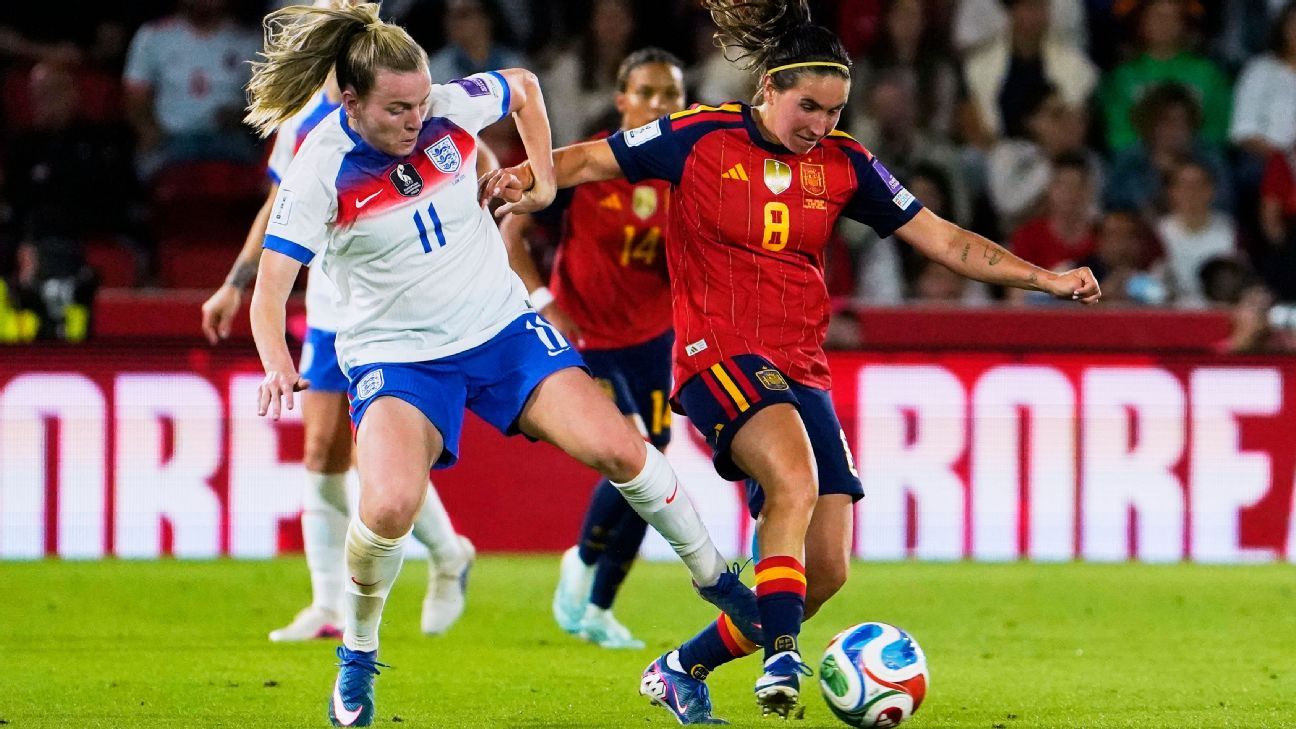
This lack of consideration is particularly troubling given the significant strides that have been made in women's football in recent years. The women's game has been growing in popularity, with more countries investing in their national teams and domestic leagues. The success of the women's cup has been a major factor in this growth, providing a platform for female players to showcase their skills and inspiring a new generation of young girls to take up the sport. By failing to consider the impact of his plans on women's soccer, Infantino risks undermining this progress and potentially damaging the growth of the women's game.
For Barcelona, a club that has been at the forefront of promoting women's football, this oversight is particularly disappointing. The club's women's team has been a major success in recent years, winning numerous domestic and international titles. The team's success has not only helped to promote the women's game in Spain but has also provided a platform for female players to develop their skills and compete at the highest level. It is imperative, therefore, that FIFA and Infantino take the needs and concerns of women's soccer into account when making decisions about the cup.
The potential consequences of Infantino's actions are far-reaching and could have a significant impact on the future of women's soccer. If the women's cup is not given the same level of consideration as the men's tournament, it could lead to a decline in interest and investment in the women's game. This would not only be a setback for women's soccer but also for the sport as a whole. Football is a game that should be accessible and enjoyable for all, regardless of gender. It is essential, therefore, that FIFA and Infantino take a more inclusive and equitable approach to decision-making, one that takes into account the needs and concerns of all stakeholders, including women's soccer.
In conclusion, the news that Infantino's why infantino's world Cup plans never considered the impact on women's soccer is a disturbing reminder of the challenges that still exist in promoting equality and inclusivity in football. As fans of the beautiful game, we must demand more from our leaders and ensure that the sport is accessible and enjoyable for all. For Barcelona and the wider football community, it is essential that we continue to promote and support women's soccer, providing a platform for female players to develop their skills and compete at the highest level. Only by working together can we create a more inclusive and equitable sport, one that truly reflects the values and principles of the beautiful game.
The cup is a symbol of excellence and achievement in football, and it is essential that we ensure that all players, regardless of gender, have the opportunity to compete for this prestigious trophy. By failing to consider the impact of his plans on women's soccer, Infantino has missed an opportunity to promote equality and inclusivity in the sport. As we look to the future, it is imperative that we learn from this mistake and work towards creating a more equitable and inclusive football community, one that values and supports all players, regardless of gender.
Source: Why Infantino's World Cup plans never considered impact on women's soccer