Iraola’s Anfield Experiment: What Liverpool’s Revival Means for Barcelona’s Midfield Quest
The Anfield Revelation
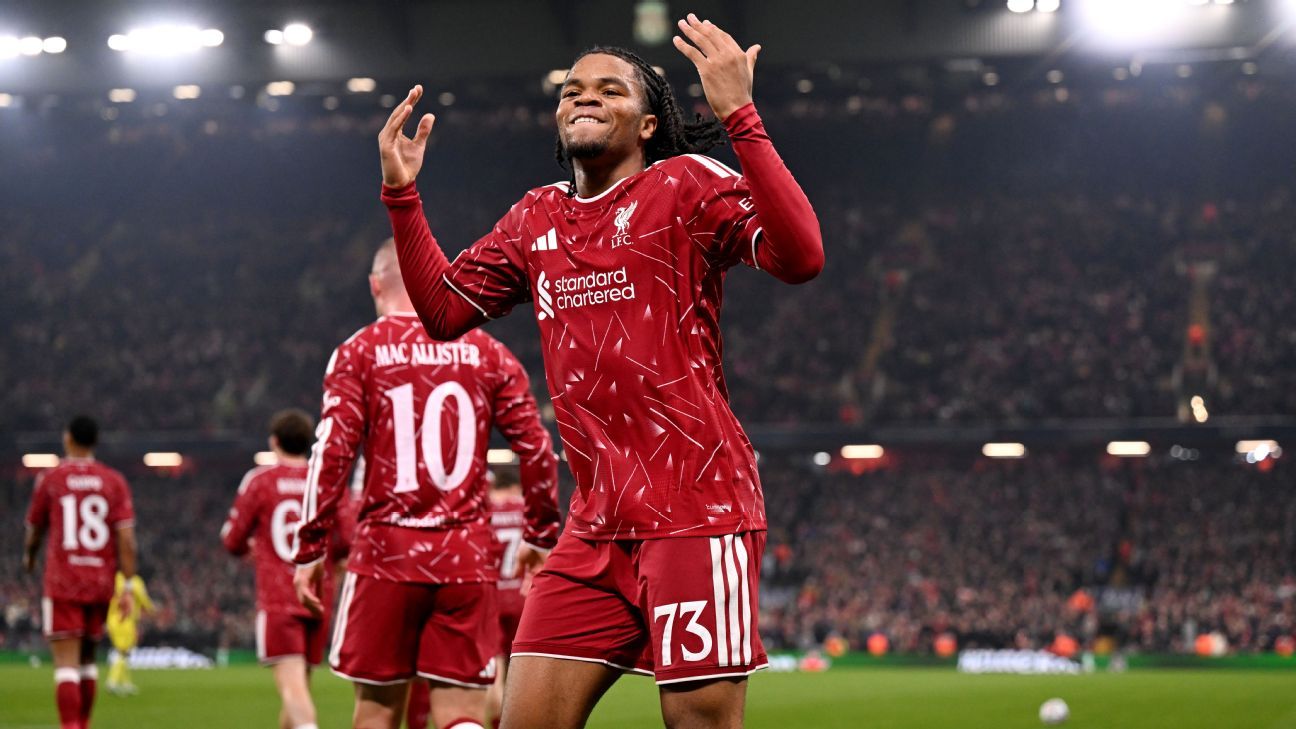
Liverpool’s home ground, Anfield, has always been a fortress, but the recent buzz surrounding the Reds isn’t about the roar of the fans or the tactical masterclass against Arsenal. It’s about Iraola’s subtle yet decisive rotation policy that has reignited a sense of joy and unity at the club. When the BBC’s latest piece titled “Anfield, intensity, rotation – how Iraola is improving Liverpool” hit the feeds, it was clear that the manager’s approach is resonating beyond the Premier League, offering a blueprint that could very well influence how Catalan giants like Barcelona orchestrate their mid‑season overhaul.
A Rotational Philosophy That Feeds a Collective Psyche
Iraola’s strategy is simple: keep the squad fresh, reward performance, and maintain a high intensity throughout the season. By rotating key players— from the midfield lynchpins to the aerial threats—he has created a micro‑culture of trust and competition. The effect is two‑fold: individual players feel valued, and the collective squad energy remains high. In a league where fixture congestion and the mental toll of a long campaign can sap motivation, this model keeps the players mentally sharp and physically ready.
The BBC article notes that “Liverpool fans are finding joy at Anfield again with a feel‑good factor around the club before the visit of reigning champions Arsenal on Sunday.” That sentiment is not incidental. The recent performance streak has been underpinned by a rotation that has kept the squad’s core—### the likes of Jordan Henderson, Salah, and Fabinho—gracefully balanced with emerging talents who are now stepping into larger roles. The palpable buzz among the supporters underscores the success of this approach: a club that once seemed to be in a state of decline has regained its swagger.
What Barcelona Can Learn
Barcelona’s midfield has been a ticking time bomb for the last few seasons. The once‑glorious “tiki‑taka” has been diluted by a lack of cohesion, injuries, and a revolving door of managers. The club’s recent attempts to rebuild have been hampered by the absence of a clear rotational strategy. Fan frustration is palpable, and the pressure is mounting for a manager who can not only bring the squad together but also keep the players at peak performance.
Iraola’s model offers a two‑pronged lesson for Barcelona:
- Rotational Depth – By giving more squad players minutes, a manager can keep the core group fresh and prevent burnout. Barcelona’s current upper‑midfield rotation is almost non‑existent. The young players who could be the future of the club are being held back, and the senior players are showing signs of fatigue.
- Psychological Reset – The sense of “joy” at Anfield is a direct result of players feeling valued and not over‑exposed. For Barça, restoring that emotional connection between squad and fans could be the catalyst needed to revive the club’s identity.
The Ripple Effect on the Season
Iraola’s rotation has not just been a tactical move; it’s a strategic shift that has already translated into results. Liverpool’s recent form has seen them climb the Premier League table, and their confidence is palpable heading into the clash with Arsenal. The psychological advantage of playing at Anfield, combined with the tactical freshness, means that Liverpool can now compete with the reigning champions on a level playing field.
For Barcelona, the stakes are similar. The club is fighting to stay in the top tier of La Liga while also preparing for the Champions League. A rotation policy that keeps players fresh could prevent the mid‑season slump that has historically plagued the Catalans. It would also allow the manager to experiment with different midfield configurations—something that could be crucial against Barcelona’s rivals.
A Competitive Edge in the Transfer Market
The way a club manages its players during the season also affects its attractiveness to potential signings. A club that shows respect for its squad, uses a rotation policy, and keeps its players engaged is more likely to attract talent that wants to be part of that culture. Liverpool’s recent success in signing and integrating players like Dominic Calvert‑Lewin and Harvey Barnes is a testament to that.
Barcelona’s transfer strategy has been under scrutiny, especially after the high‑profile departures of players like Ansu Fati and Ousmane Dembélé. A clear rotational philosophy could signal to prospective signings that the club is moving away from a “starter‑only” mentality and towards a more inclusive, team‑first culture. That could be the difference between a sign‑and‑sell scenario and a truly integrated squad.
The Bottom Line
Liverpool’s resurgence under Iraola isn’t just about beating Arsenal; it’s about redefining what a modern club can achieve when it prioritises rotation, intensity, and collective joy. For Barcelona, the lesson is stark: if the club wants to reclaim its place at the pinnacle of European football, it has to adopt a model that keeps players fresh, fans engaged, and the squad psychologically resilient.
The Anfield story shows that a well‑executed rotation policy can turn a struggling club into a competitive juggernaut. It’s a narrative that Barcelona can and should learn from. The next season will be the test. If the club can replicate the success of Liverpool’s approach, the hope that Barcelona can return to its legendary status will move from a distant dream to an impending reality.
Source: Anfield, intensity, rotation - how Iraola is improving Liverpool