Klopp’s MRI Scare: Why Havertz’s and Musiala’s Absence Could Shake Barcelona’s World‑Class Ambitions
Klopp’s MRI Scare: Why Havertz’s and Musiala’s Absence Could Shake Barcelona’s World‑Class Ambitions
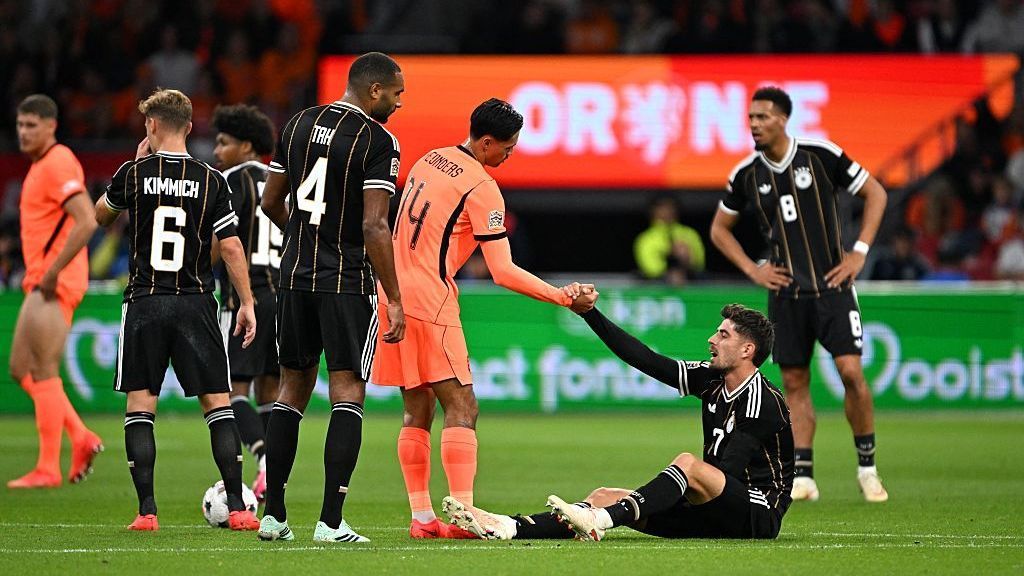
When Jürgen Klopp, normally the calm, tactical mastermind of Liverpool, huffed out that both Kai Havertz and Jamal Musiala were “probably out” after a nervy 1‑1 draw with the Netherlands, the football world heard a warning bell. It was not an isolated injury rumor; it was a real medical crisis that could ripple through the entire German national team and, by extension, any club that counts on those two prodigies. The headline is straightforward, but the implications are far more nuanced, especially for Barcelona, where both players sit on the brink of being the next generational pillars.
The Immediate Shockwave
Klopp’s statement comes at a time when the German squad is already in a fragile phase. The 1‑1 tie with the Netherlands left Germany wobbling on the brink of a Champions League spot in the European Nations Cup. Losing either Havertz or Musiala would not just be a loss of talent; it would be a blow to the team’s creative engine. Their recent performances—Havertz’s clinical finishing and Musiala’s incisive dribbling—were the backbone of Germany’s attack. With both players potentially sidelined, the tactical scheme that Klopp had been building around their hybrid playstyle could be forced to an entirely new shape.
For Barcelona, the stakes are even higher. The club’s transfer strategy has heavily leaned on the 21‑year‑old that is Musiala, who has been earmarked as the next big signing in the long‑term plan. The 2025‑26 season is set to be a critical period for the club’s rebuilding, and every piece of the puzzle must line up. An injury crisis that sidelines a key target could derail the current window and force Barcelona to look elsewhere—potentially at less proven talent or, worse, to shift focus to domestic acquisitions.
Havertz: The Golden Goal‑Scorer
Havertz, at 27, has already carved out an impressive record both for Chelsea and now as a potential Barcelona asset. He’s the kind of player who can pivot from a midfield role to a striker, a versatility that is prized in the modern game. In the last season, his 19 goals in 35 appearances earned him a nomination for the UEFA Best Player – the first for a German since Miroslav Klose.
If he is indeed out for an extended period, Barcelona will have to rethink their attacking options. Their current strikers—Raphinha, Ansu Fati, and the ever‑impressive Robert Lewandowski—would have to shoulder the entire goal‑scoring burden. Even Lewandowski has been showing signs of fatigue, and the club’s medical staff has been monitoring his physical load closely. Removing a player like Havertz from the equation would also mean losing a clinical finisher who can thrive in high‑pressure environments, a quality that is indispensable in the Champions League.
Musiala: The Swiss‑German Dynamo
Musiala’s potential injury is perhaps the worst blow for Barcelona. The 21‑year‑old has been the club’s most talked‑about signing, with a €35 million fee that underscores his perceived value. He’s a creative force, a winger who can cut inside, deliver dangerous crosses, and even score from the edge of the box. His footballing IQ is on par with the best of his generation, and he’s a natural fit for the Barcelona style of play, which relies on intricate passing and positional interchange.
If Musiala is sidelined, Barcelona will have to scramble to fill that creative void. Their current options—Raphinha, Pedri, and even the more experienced Gavi—could be stretched thin. The club’s youth academy is brimming with talent, but the level of experience and composure required to replace a player of Musiala’s calibre is hard to find. Moreover, the psychological impact on the squad cannot be ignored. A young player, barely 22, who could have been the linchpin of Barcelona’s attack, being taken out of action, could shake the confidence of the entire team.
The Bigger Picture: European Football and the 2026 World Cup
From a broader perspective, the German team’s injury crisis could ripple through the entire European football calendar. The 2026 World Cup will be hosted by the United States, Canada, and Mexico, and Germany’s early exit from the Nations League could have a domino effect on their qualification chances. Klopp’s reliance on Havertz and Musiala is a testament to how the national team has built its tactical identity around these players.
If Germany loses both, the next generation of German football—players like Florian Wirtz and Jannik Vetter—will need to step up. That shift could change the dynamics of the entire German squad, making them less unpredictable and more cautious. For Barcelona, a team eager to dominate European football, the loss of German talent might also affect the overall quality and competitiveness of the Champions League, as the German clubs (Bayern and Borussia Dortmund) are perennial powerhouses.
The “Mris” Moment: Medical Protocols and Player Welfare
Klopp’s reference to “probably out” as Germany awaits MRIs underscores a modern trend in football: an increasing emphasis on medical science and player welfare. The MRI scans are the gold standard for diagnosing soft‑tissue injuries, and Klopp’s candidness signals a shift away from the old practice of playing through pain. This transparency could set a benchmark for other national teams and clubs, prompting a cultural change that prioritizes long‑term health over short‑term gains.
For Barcelona, it’s a reminder that their medical staff needs to be state‑of‑the‑art. The club’s investment in sports science has paid dividends, but the injury crisis of two of its key players could test the limits of their medical infrastructure. They will need to adopt a proactive approach, ensuring that both Havertz and Musiala receive top‑notch care to speed up their return to full fitness.
What Barcelona Can Do
Accelerate the Transfer Search – While the club has already identified a few potential targets, the window is tight. They need to act quickly to secure a player who can deliver both creativity and goal‑scoring.
Re‑evaluate Tactical Flexibility – The coaching staff must develop contingency plans that allow the team to function without their star players. This might involve rotating positions, adopting a more defensive stance, or emphasizing collective pressing.
Strengthen the Youth Pipeline – Barcelona’s famed La Masia is a treasure trove. The club should accelerate the promotion of promising talents like Ansu Fati and Pedri, who have shown glimpses of what’s possible when given the right exposure.
Boost Player Welfare Protocols – The club must invest in advanced medical technology, ensuring that any future injury is caught early and treated with the utmost care.
Final Verdict
Klopp’s “probably out” announcement is a sobering reminder that football is a game of uncertainties. For Barcelona, the potential loss of two key players—Havertz and Musiala—could derail their season and ripple through the wider football ecosystem. Yet, adversity is what separates the great clubs from the ordinary. Barcelona’s response to this crisis will determine whether they rise to the occasion or become a cautionary tale in the annals of modern football.
Time will tell how long the injuries will sideline Germany’s stars and how quickly Barcelona can adapt. One thing is certain: the club’s resilience, tactical ingenuity, and commitment to player welfare will be tested like never before. The world will be watching, and the stakes have never been higher.
Source: Klopp says Havertz, Musiala 'probably out' as Germany await MRIs