Mourinho Returns to El Clásico: A New Chapter in the Barcelona‑Real Madrid Saga
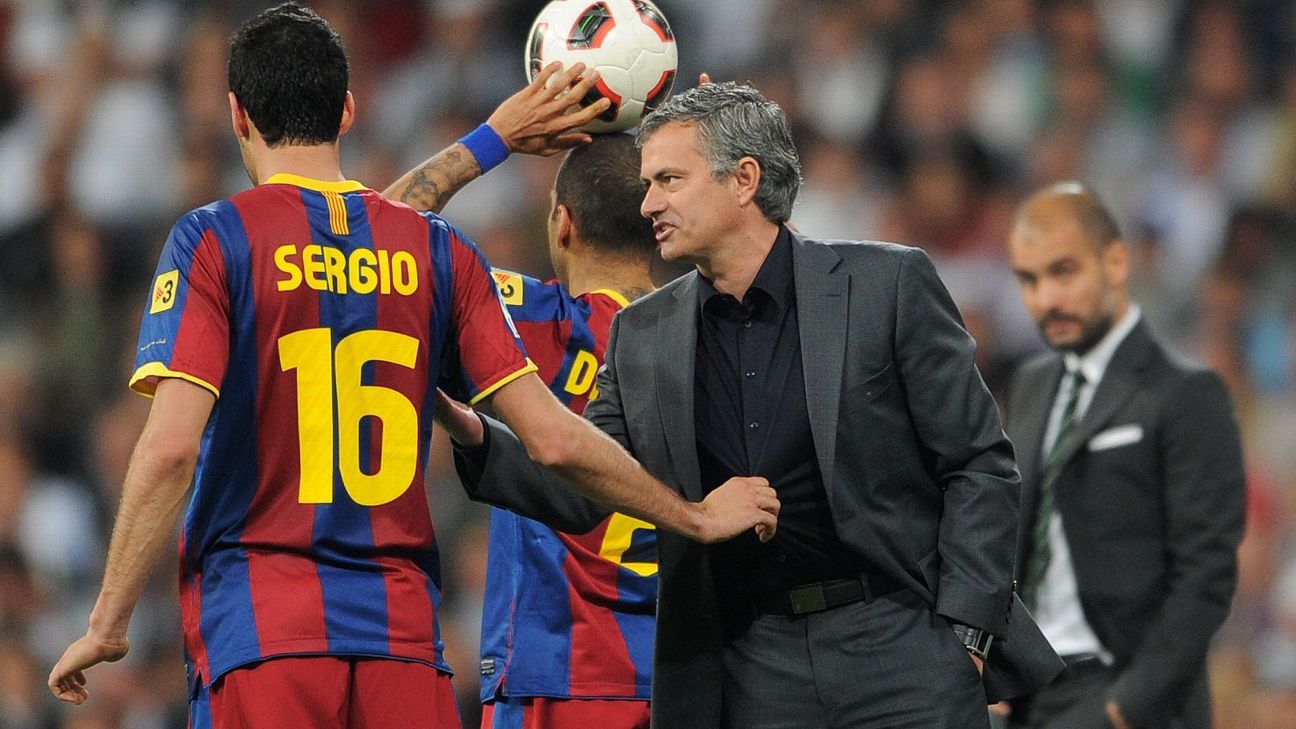
Mourinho has always been a master of drama, and his return to El Clásico feels like the perfect encore to a story that began thirteen years ago. The former Chelsea and Inter maestro, who once turned the Spanish derby into a must‑watch spectacle, is back to prove he still has the tactical firepower to challenge Barcelona. The stakes are high: La Liga title, Champions League glory, and a chance for the club to reclaim its psychological edge over its arch‑rivals.
The 2008‑09 season remains a reference point for Barça fans. Mourinho’s Real Madrid side, built on a disciplined 4‑2‑3‑1 and a relentless pressing game, stunned Barcelona with a 2‑0 win at the Camp Nou. The match was a textbook example of Mourinho’s ability to out‑think Guardiola, and it left the Catalan side scrambling for answers. Fast‑forward to 2026, and the narrative has evolved. Barcelona are no longer the dominant force they once were; they are rebuilding, with a squad that has lost key pieces and a coach who has struggled to find a coherent identity.
Now, the scene is set for a new showdown. Barcelona’s lineup features a mix of young talents like Pedri and Ansu Fati, alongside seasoned veterans such as Robert Lewandowski and the ever‑present Messi, who is now in his thirties but still a creative engine. Guardiola’s tactics have shifted towards a more fluid 4‑3‑3, emphasizing possession and quick transitions. Mourinho, on the other hand, will likely revert to a 4‑2‑3‑1, prioritizing compactness and counter‑attacks. The clash is not just about tactics; it’s a battle of philosophies that could define the direction of both clubs.
From a tactical standpoint, Mourinho’s return raises several intriguing questions. Will he exploit the Barcelona side’s defensive vulnerabilities by using a high press and a rapid build‑up? Or will he focus on a more patient, low‑block strategy that forces Barça into a defensive mindset? Barcelona’s recent matches have shown a tendency to overcommit forward, leaving gaps behind. Mourinho’s experience in exploiting such lapses could give Real Madrid a decisive advantage, especially if he can time his counter‑attacks with precision.
The implications for the season are profound. A victory for Real Madrid would not only boost their confidence heading into the Champions League knockout stages but also send a clear message to the rest of La Liga: the title race is still wide open. For Barcelona, a loss would deepen the sense of uncertainty that has plagued the club since Guardiola’s departure. It could also influence transfer market decisions, as the club might feel pressured to bring in more defensive solidity or a new creative spark.
In the broader context, Mourinho’s return also underscores the cyclical nature of football rivalries. The drama that once captivated fans is now being re‑invented, and the narrative continues to evolve. Whether Mourinho can replicate his 2008‑09 magic or adapt to a new era of football will be a story that fans will follow closely. One thing is clear: this El Clásico will be remembered as a pivotal moment that could shape the destiny of both clubs for years to come.
In short, Mourinho’s comeback is more than a tactical challenge; it’s a psychological test for Barcelona. The club’s leadership must decide whether to embrace the lessons of the past or forge a new path forward. As the countdown to kickoff begins, all eyes will be on whether Mourinho can deliver the unmissable spectacle that fans have long demanded—an El Clásico that will be etched into history.
Source: Mourinho made El Clásico unmissable. Now, he's back for more