Mudryk's Chelsea Return: A New Chapter or a Fleeting Moment?
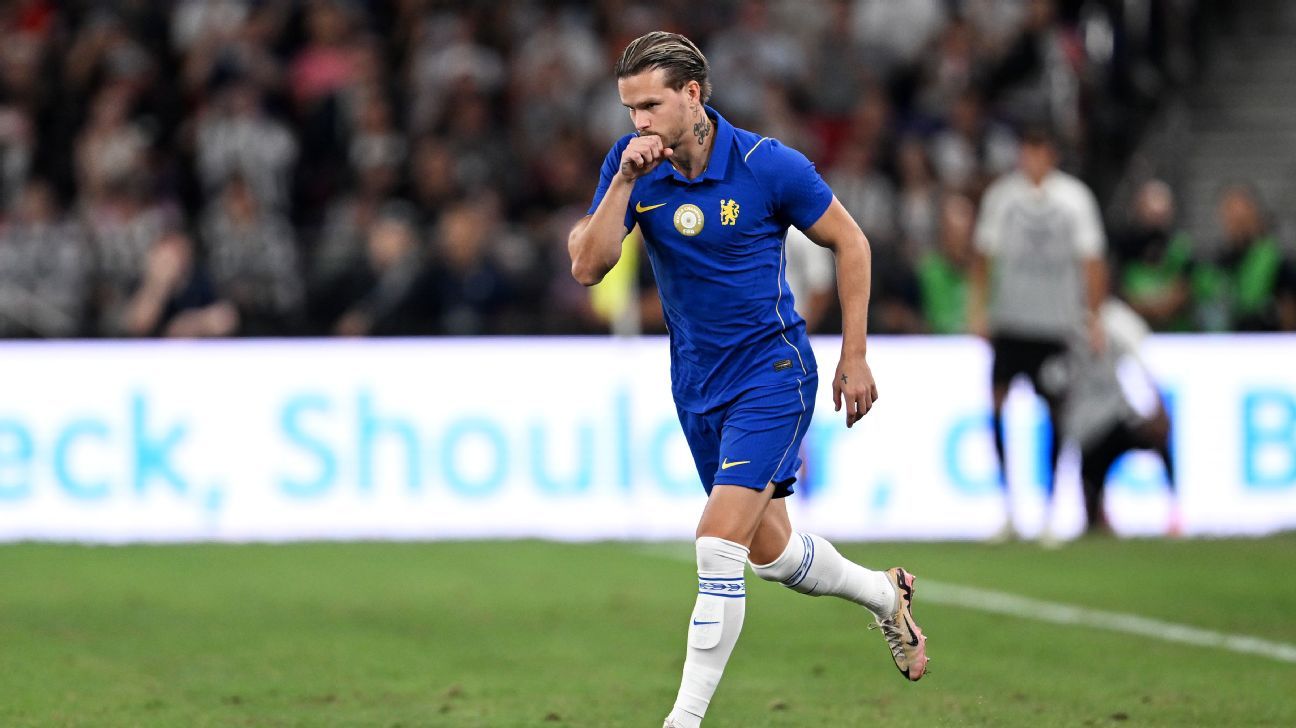
The world of football is no stranger to controversy, and the recent return of Mykhailo Mudryk to Chelsea after a 20-month doping ban is a stark reminder of the sport's complex nature. Mudryk's 'emotional' return, as reported, was marked by a 1-0 preseason friendly defeat to Juventus, a result that may seem insignificant in the grand scheme but holds deeper implications for the player, Chelsea, and the upcoming season.
As the football community grapples with the nuances of doping bans and player rehabilitation, Mudryk's situation serves as a poignant case study. The 20-month ban, a significant portion of a player's prime, raises questions about the efficacy of current doping regulations and the impact on athletes' careers. For Mudryk, this period of absence has not only been a test of physical prowess but also a psychological challenge, as he navigates the complexities of public opinion, team dynamics, and personal redemption.
From a Chelsea perspective, Mudryk's return could be a strategic boon, especially considering the club's recent performances and ambitions. The Premier League is a highly competitive arena, and any advantage, whether through new signings or the return of previously banned players, can significantly influence a team's standing. However, the integration of Mudryk into the squad will require careful management, balancing the need for his skills on the field with the potential backlash from fans and the media regarding his past.
For Barcelona, and indeed the broader football community, Mudryk's return to Chelsea serves as a reminder of the sport's global interconnectedness. The implications of doping bans, player transfers, and team strategies are not isolated events but contribute to the complex tapestry of professional football. As Barcelona navigates its own challenges, from squad dynamics to Champions League aspirations, the story of Mudryk and Chelsea offers valuable insights into the challenges of maintaining a competitive edge while adhering to the principles of fair play and sportsmanship.
The upcoming season promises to be filled with intrigue, not just for Chelsea and Mudryk but for the entirety of the football world. The return of a player from a doping ban, especially one as highly publicized as Mudryk's, will undoubtedly attract significant attention. This spotlight can have a dual effect: on one hand, it can serve as a deterrent, emphasizing the consequences of doping; on the other, it may inadvertently glorify the player's return, potentially undermining the anti-doping message. The balance between rehabilitation and punishment is a delicate one, and how Mudryk's story unfolds will be closely watched by fans, pundits, and governing bodies alike.
In conclusion, Mudryk's return to Chelsea after a 20-month doping ban marks the beginning of a new chapter, not just for the player but for the club and the sport as a whole. It's a story of redemption, of second chances, and of the ongoing struggle to maintain the integrity of the game. As the season progresses, the narrative surrounding Mudryk and Chelsea will evolve, influenced by performances on the pitch and the continuous dialogue about doping, bans, and player rights. For now, the football community waits with bated breath, eager to see how this story will unfold and what lessons it might teach us about the beautiful game and its sometimes flawed protagonists.
The road ahead for Mudryk and Chelsea is fraught with challenges, from regaining form and fan trust to navigating the treacherous waters of public opinion. Yet, in the midst of these challenges lies an opportunity - an opportunity for growth, for redemption, and for a deeper understanding of the complexities that underpin professional football. As we watch Mudryk take his first steps back into the competitive arena, we are reminded that football is not just a game of skill and strategy but also one of human emotion, frailty, and resilience.