Ronaldo’s Exit from the Portugal Camp Signals More Than a Bench: A Barcelona Perspective
Ronaldo’s Walkout: A Sign of Things to Come for Barça
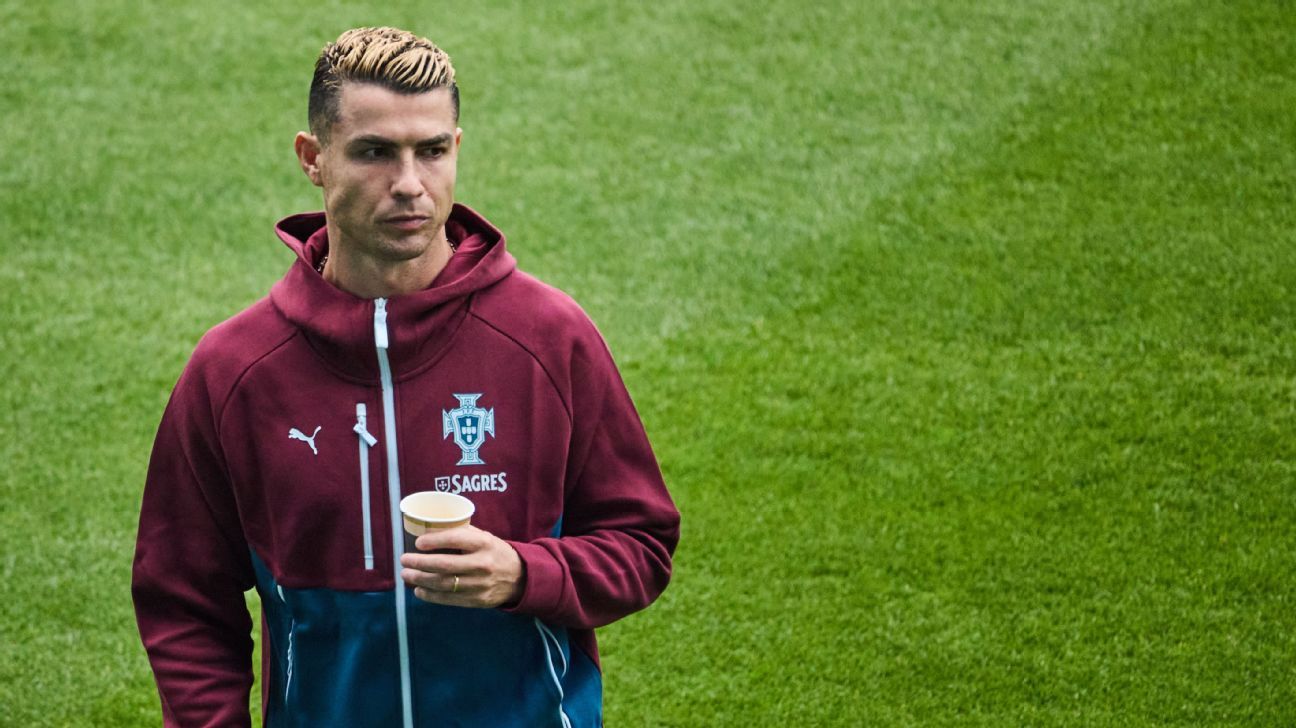
When the 37‑year‑old superstar left the Portugal camp after Jorge Jesus said he would be benched again, the headlines were all about a rift between player and coach. Beneath the surface, however, there is a much larger story unfolding—one that could reshape the narrative of FC Barcelona’s summer and the future of the club’s attacking identity.
A Tactical Misfit or a Personal Fallout?
Jesus’ decision to sideline Ronaldo against Denmark was not a fluke. In the Nations League, Portugal’s formation has leaned heavily on a 4‑3‑3 with a single striker, a system that thrives on pace, work‑rate and a false‑9 role. Ronaldo, on the other hand, is a classic target man who thrives on a fed-through ball and a partner in midfield. The coach’s rationale was that the current squad’s chemistry would be better served without the veteran’s presence.
But this episode raises the question: is the issue purely tactical, or has a personal feud taken root? Jesus publicly denied a feud, but the fact that Ronaldo chose to leave the camp indicates a breakdown in trust. For Barcelona fans, this is a red flag. The club has been searching for a forward who can complement the young talents in their system. Ronaldo’s presence would have been a double‑edged sword—his experience and goal‑scoring pedigree versus the risk of stifling the club’s creative flow.
Impact on Ronaldo’s Legacy
Ronaldo has built a brand that transcends leagues and borders. His move to Barcelona, if it materialises, would be a headline‑making event, but the reality of his career trajectory is far more nuanced. At 37, he is still a goal‑machine, yet his physical attributes are declining. A bench on a national team in a competitive fixture could be a sign that the world is catching up to the age factor.
The story of a player who has dominated for a decade is now shifting towards a more pragmatic role—mentor, icon, and occasional goal‑scorer. The bench in the Nations League is a microcosm of his gradual decline. For Barcelona, this could be a chance to pivot from relying on one marquee striker to building a more balanced attack.
What Does This Mean for Barcelona’s Summer?
Barcelona’s transfer window is already crowded with speculation. The club is juggling the need for a prolific striker, the integration of a young Messi‑style playmaker, and the financial constraints imposed by the new ownership structure.
If Ronaldo’s contract negotiations falter, it could give Barcelona a breathing space. The club could redirect funds to the academy or pursue a younger, more dynamic forward such as Youssef Hannoun or a new signing from the Premier League. Moreover, the emotional weight of a Ronaldo arrival could distract from internal club politics. A pragmatic approach—focusing on synergy rather than spectacle—might be the smarter path.
Portugal’s Future Without Ronaldo
The absence of Ronaldo in the Denmark match may be a warning sign for Portugal’s prospects in Euro 2024. While the national team has depth, the void left by a player of his calibre is difficult to fill. The coach’s statement that there is no feud is a diplomatic attempt to keep the squad united, but the reality is that a player’s influence goes beyond the pitch.
For Barcelona fans, this is a reminder that national team dynamics can indirectly influence club performance. If Portugal struggles in the tournament, the morale of the squad may dip, which could affect the players who are also Barcelona internationals.
A New Narrative for Barcelona’s Attack
Barcelona’s attacking philosophy has historically been built on fluidity and creativity. The club’s current roster includes a mix of seasoned players and emerging talents. A player like Ronaldo would bring a different dynamic—an older, more physical presence that could serve as a platform for the likes of Pedri, Gavi, or a young striker.
However, the club’s culture demands continuous evolution. The benching of Ronaldo in Portugal is a subtle nod to the fact that football is advancing towards a generation that prioritises speed, versatility, and tactical intelligence over individual brilliance. Barcelona’s next‑generation forward line must embody these traits.
Bottom Line
Ronaldo’s decision to leave the Portugal camp after being benched again is not merely a headline; it is a harbinger of a shift in football’s landscape. For FC Barcelona, it spells a chance to reassess their attacking strategy, to look beyond the allure of a global superstar, and to invest in a future that aligns with the club’s core values. The benching is a small footnote in a larger story about aging, tactical evolution, and the delicate balance between legacy and progress.
Barcelona’s fans and stakeholders need to interpret this event not as a loss but as an opportunity—to embrace a new era where the club can thrive without the need to chase the last chapter of a legend’s career.
TL;DR: Ronaldo’s walkout from the Portugal camp after being benched again signals a tactical misfit and hints at a personal fallout. For Barcelona, it presents an opportunity to pivot away from a marquee signing and invest in a more dynamic, future‑oriented attacking lineup. The event also underscores the shifting priorities in modern football—speed, versatility, and tactical intelligence over individual brilliance.
Source: Ronaldo leaves Portugal camp after coach says he'd be benched again