The Dark Side of Hydration Breaks: Are World Cup Mandates a Threat to the Beautiful Game?
The introduction of mandatory hydration breaks in the World Cup has sparked a heated debate among fans, players, and coaches. On the surface, it seems like a harmless initiative to ensure player safety and well-being. However, as we delve deeper into the issue, it becomes clear that these breaks may have a more sinister purpose. Are World Cup hydration breaks actually commercial breaks in disguise? The answer to this question has significant implications for the sport, and as a Barcelona fan, I'm concerned about the potential impact on our beloved team.
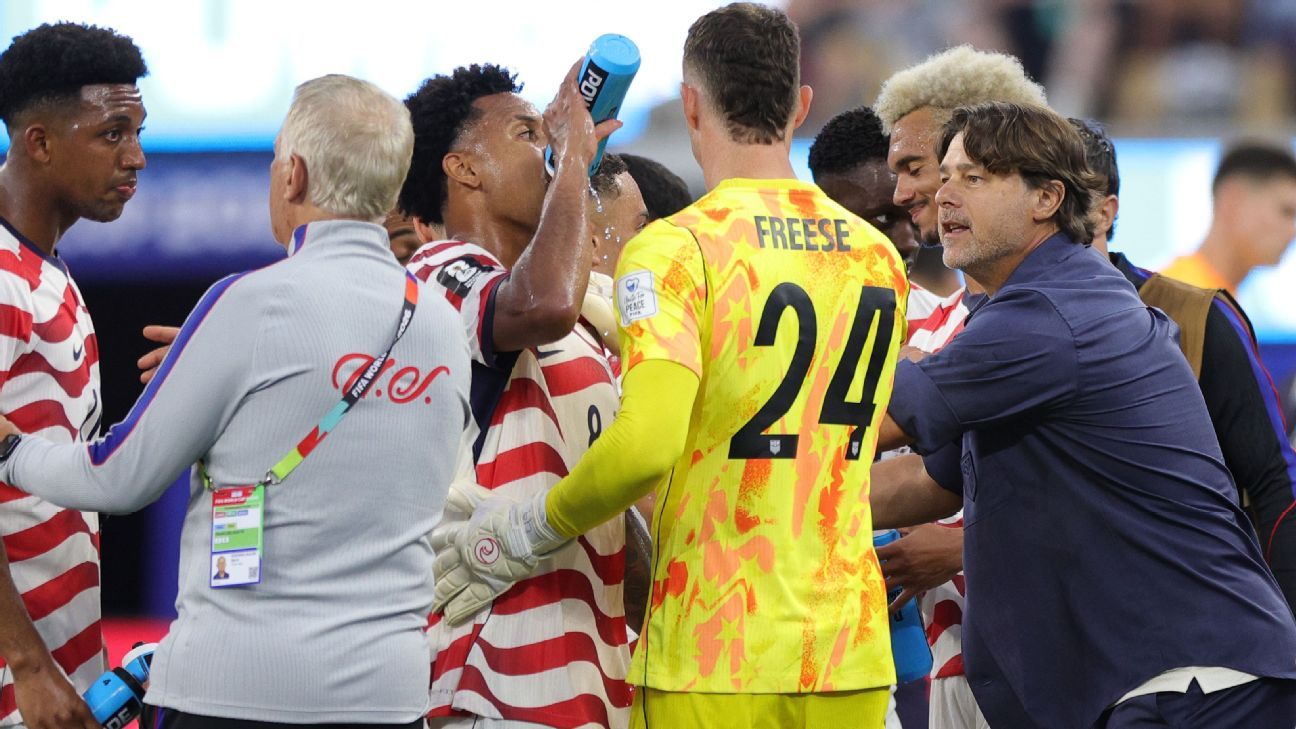
The World Cup's decision to introduce hydration breaks has been touted as a necessary measure to protect players from the harsh conditions of the tournament. With temperatures soaring and humidity levels through the roof, it's essential to ensure that players stay hydrated to avoid serious health risks. However, the timing and frequency of these breaks have raised eyebrows. The fact that they occur at specific intervals, dividing the game into four quarters, suggests that there may be more to this initiative than meets the eye. It's no secret that FIFA is under immense pressure to deliver a profitable tournament, and the introduction of hydration breaks provides the perfect opportunity to insert commercial breaks into the game.
The impact of these breaks on the game itself cannot be overstated. The flow of the game is disrupted, and the momentum is lost. Players are forced to stop and start repeatedly, which can be frustrating and demotivating. Moreover, the breaks provide an opportunity for coaches to make tactical changes, which can alter the course of the game. As a Barcelona fan, I've seen firsthand how a well-timed substitution or tactical switch can change the outcome of a match. However, when these breaks are forced upon the teams, it can be difficult to maintain a cohesive strategy. The question on everyone's mind is, are World Cup hydration breaks actually momentum breaks in disguise?
The implications of this trend are far-reaching, and Barcelona is not immune to its effects. As one of the biggest clubs in the world, we're often at the forefront of innovation and experimentation. However, when it comes to the World Cup, our players are subject to the same rules and regulations as everyone else. If hydration breaks become the norm, it could change the way we approach the game. Our players will need to adapt to the new format, and our coaches will need to find ways to work around the breaks. It's a challenge that we're willing to accept, but it's essential to consider the potential consequences.
One of the most significant concerns is the potential for exploitation. If FIFA is using hydration breaks as a vehicle for commercial breaks, it sets a dangerous precedent. The sport is already plagued by corruption and greed, and this could be the tip of the iceberg. As fans, we need to be vigilant and ensure that the integrity of the game is maintained. The World Cup is a celebration of football, and it should be free from the influences of commercialism. Are World Cup hydration breaks a necessary evil, or are they a symptom of a larger problem? The answer to this question will have significant implications for the future of the sport.
As the debate rages on, it's essential to consider the context. The World Cup is a unique event that brings together the best players from around the world. It's a showcase for the beautiful game, and it should be treated as such. The introduction of hydration breaks may be a well-intentioned initiative, but it's crucial to examine the motivations behind it. Are World Cup hydration breaks actually a ploy to increase commercial revenue, or are they a genuine attempt to protect player safety? The truth lies somewhere in between, but one thing is certain – the impact on the game will be significant.
In conclusion, the introduction of hydration breaks in the World Cup has sparked a heated debate. As a Barcelona fan, I'm concerned about the potential impact on our team and the sport as a whole. Are World Cup hydration breaks a necessary measure to protect player safety, or are they a commercial ploy to increase revenue? The answer to this question will have significant implications for the future of the game. One thing is certain – the beautiful game is at a crossroads, and it's up to us to ensure that it remains a celebration of football, free from the influences of commercialism.
Source: Are World Cup hydration breaks actually commercial...