Quick take
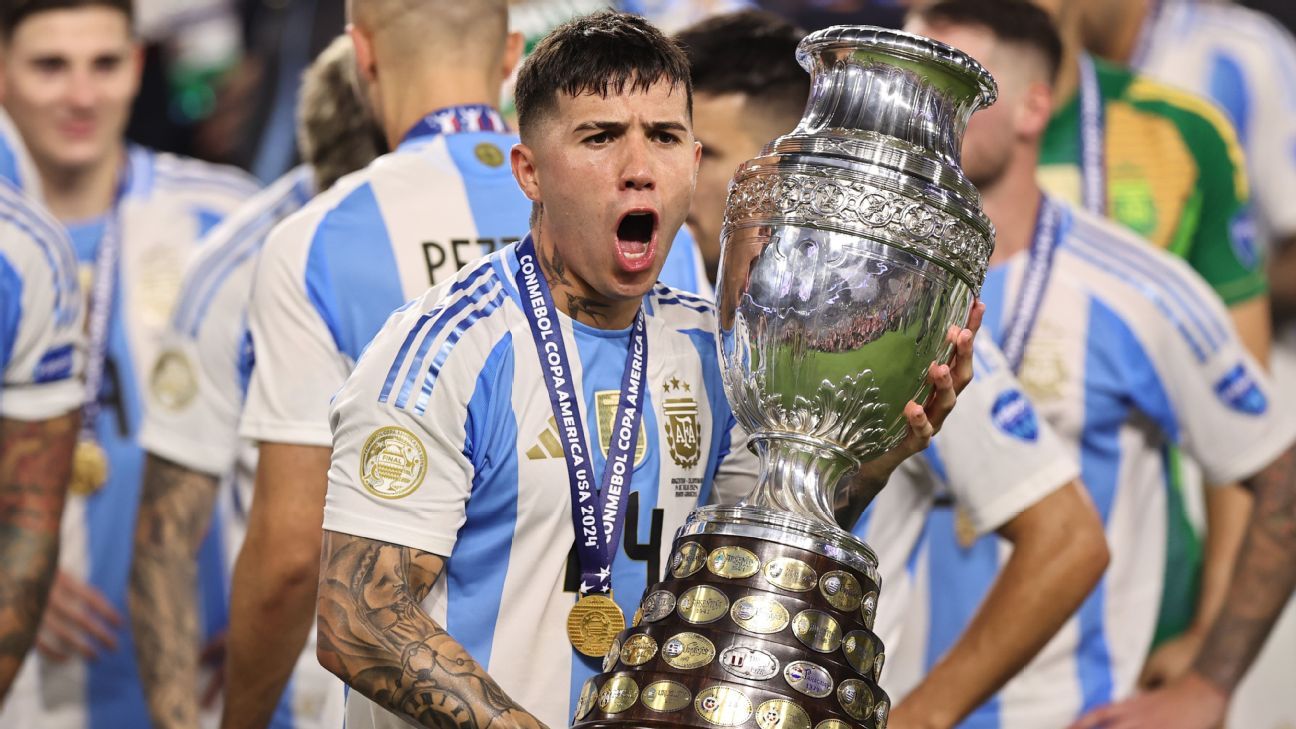
The United States will host the 2028 Copa América, marking the tournament’s third stint in the Americas and its second consecutive edition in the U.S. This move could reshape how Barcelona approaches continental competition and player development.
From our feed
Related to this storyWhat happened
In a decision announced by CONMEBOL, the United States secured the right to stage the 2028 Copa América, following its successful hosting of the 2024 edition. The bid highlighted the country’s modern stadiums, infrastructure, and growing soccer fanbase, positioning it as a prime venue for South American football’s marquee event.
The announcement also underscores the U.S.’s rising influence in global football, as the nation seeks to leverage its commercial power and diverse fan demographics. For Barcelona, the decision means a new, high‑profile arena where they could test their squad against top South American talent ahead of the 2028 FIFA Club World Cup.
Why it matters
- Strategic exposure for Barca’s youth: Playing in the U.S. offers Barcelona’s emerging talents a chance to compete in a North‑American environment, exposing them to different styles and a broader market that could accelerate their growth and potential transfers.
- Commercial synergies: The U.S. market is a goldmine for sponsorship and broadcast deals. Hosting the Copa América could boost Barcelona’s brand visibility among American fans, paving the way for new partnerships and merchandising opportunities.
- Competitive benchmark: The Copa América features clubs from a continent with a distinct tactical approach. Facing South American teams in a neutral, high‑profile venue will test Barca’s adaptability and resilience, providing insights ahead of the 2028 Club World Cup where they’ll face champions from all confederations.
What’s next
Barcelona’s scouting team should keep a close eye on the Copa América fixtures, especially matches involving clubs that have historically challenged European dominance, like River Plate and Flamengo. A standout performance by a young American or South American player could signal a shift in talent pipelines, prompting Barcelona to adjust its recruitment strategy. Additionally, the club’s marketing division will likely evaluate partnership opportunities with U.S. sponsors, leveraging the tournament’s reach to expand Barca’s footprint in the growing American football market. The next logical step is to monitor how the U.S. infrastructure supports the event and whether Barcelona’s pre‑tournament tours align with the Copa América schedule.
Source: United States to host 2028 Copa América, its second tournament in a row