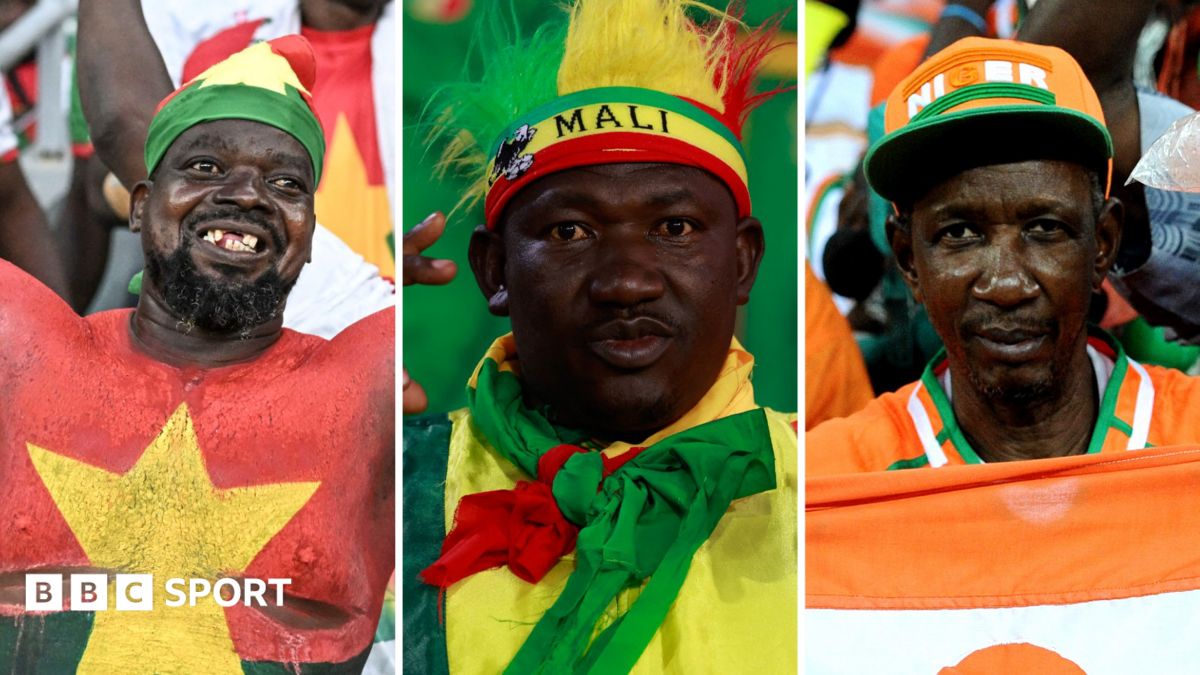
West African Nations Unite: What the 2032 Afcon Bid Means for Football
The football world is abuzz with the recent announcement that Burkina Faso, Mali, and Niger have submitted a joint bid to host the 2032 Africa Cup of Nations (Afcon). This bold move marks a significant moment in the history of African football, as three countries led by military governments come together to bring the continent's premier tournament to their shores. But what does this mean for the beautiful game, and how might it impact the likes of FC Barcelona, who have a rich history of recruiting talent from Africa?
On the surface, the bid appears to be a positive development for African football. The Afcon has a long and storied history, and the opportunity for Burkina Faso, Mali, and Niger to host the tournament could bring significant economic and social benefits to the region. The joint bid also reflects a growing trend of cooperation and collaboration between African nations, which could have far-reaching implications for the development of football on the continent. However, there are also concerns about the suitability of these countries to host a major international tournament. Burkina Faso, Mali, and Niger all face significant challenges related to infrastructure, security, and governance, which could impact their ability to successfully host the Afcon.
For FC Barcelona, the 2032 Afcon bid is unlikely to have a direct impact on the club's immediate fortunes. However, the tournament could provide a platform for African players to showcase their talents, which could lead to increased interest from European clubs like Barcelona. The Catalan giants have a long history of recruiting players from Africa, with the likes of Samuel Eto'o, Yaya Touré, and Seydou Keita all having played for the club. If Burkina Faso, Mali, and Niger are successful in their bid, it could lead to increased investment in football infrastructure and development programs in the region, which could ultimately benefit Barcelona and other European clubs.
The Afcon bid also raises interesting questions about the role of football in promoting social and economic development in Africa. Football has long been a source of pride and identity for many African nations, and the Afcon is one of the most widely watched and followed tournaments on the continent. By hosting the tournament, Burkina Faso, Mali, and Niger could potentially use football as a tool for promoting social cohesion, economic development, and cultural exchange. However, there are also risks associated with hosting a major international tournament, including the potential for human rights abuses, corruption, and environmental degradation. It is essential that the bidding countries prioritize transparency, accountability, and sustainability in their hosting plans to ensure that the Afcon benefits the local population and promotes positive social and economic change.
In terms of the broader implications for African football, the Burkina Faso, Mali, and Niger bid reflects a growing trend of cooperation and collaboration between African nations. The Afcon has long been a symbol of African unity and solidarity, and the joint bid could help to promote a sense of shared purpose and identity among African football fans. However, there are also concerns about the potential for the tournament to be used as a tool for political leverage or economic gain. It is essential that the bidding countries prioritize the interests of football fans and the local community, rather than using the tournament as a means of advancing their own political or economic agendas.
As the bidding process for the 2032 Afcon continues, it will be interesting to see how Burkina Faso, Mali, and Niger address the challenges and opportunities associated with hosting the tournament. If successful, their joint bid could mark a significant turning point in the history of African football, promoting greater cooperation, investment, and development across the continent. For FC Barcelona and other European clubs, the Afcon could provide a platform for discovering new talent and promoting football development in Africa. Ultimately, the outcome of the bidding process will depend on the ability of Burkina Faso, Mali, and Niger to demonstrate their capacity to host a successful and sustainable tournament, which prioritizes the interests of football fans and the local community.
In conclusion, the joint bid by Burkina Faso, Mali, and Niger to host the 2032 Afcon is a significant development for African football, with potential implications for FC Barcelona and other European clubs. While there are challenges and risks associated with hosting the tournament, the bid also reflects a growing trend of cooperation and collaboration between African nations. As the bidding process continues, it will be essential to prioritize transparency, accountability, and sustainability, to ensure that the Afcon benefits the local population and promotes positive social and economic change.
Source: Burkina Faso, Mali and Niger launch bid for 2032 Afcon
Read next
City’s Semenyo Out for Two Months: A Blow That Could Shake the Premier League and Leave Barcelona Eyeing a Golden Opportunity
1d ago
Lamine Yamal’s Dream‑Goal POV: Barcelona’s New Masterclass in the Making
1d ago

Carrick’s Stark Warning: Why Manchester United’s Slide Is a Red Flag for the Premier League’s Future
1d ago