Assessing Infantino's Legacy: A Decade of FIFA Leadership
Introduction
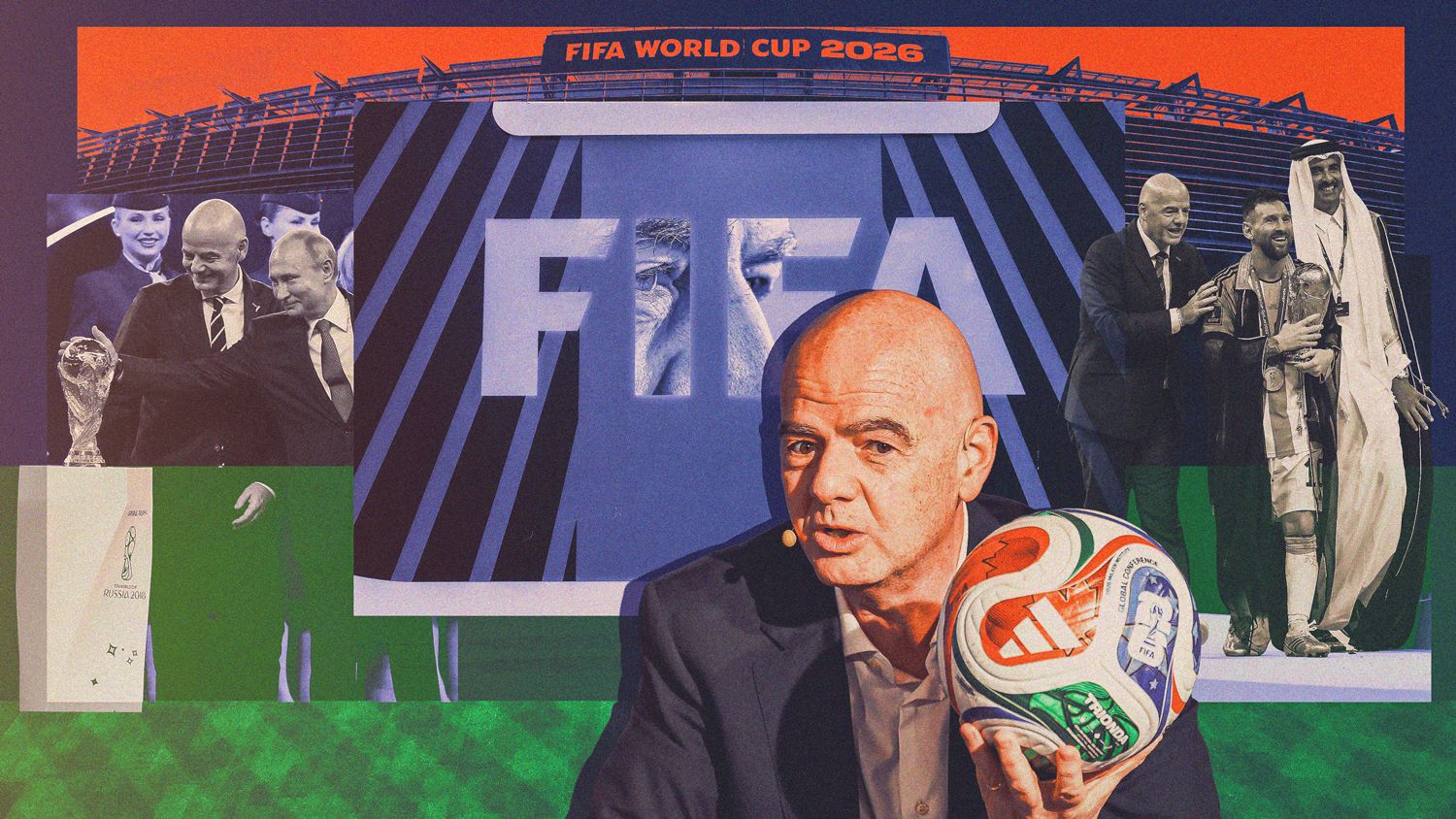
A decade has passed since Gianni Infantino took the reins as FIFA president, succeeding the disgraced Sepp Blatter. This milestone has sparked a wave of reflection on Infantino's legacy, with the football community left wondering what he has truly accomplished during his tenure. As we delve into the complexities of his presidency, it becomes clear that the answer is more nuanced than initially meets the eye. For fans of FC Barcelona and the wider football world, understanding Infantino's impact is crucial, as his decisions have far-reaching implications for the sport.
The State of FIFA Under Infantino
Since assuming office, Infantino has overseen significant changes within FIFA. One of his earliest and most notable moves was the expansion of the World Cup from 32 to 48 teams, a decision aimed at increasing global participation and revenue. While this move has been seen as a positive step by many, others have criticized it for potentially diluting the competition's quality. Additionally, Infantino has been a proponent of introducing new technologies into the game, such as VAR (Video Assistant Referee), which has had a mixed reception among fans and players alike. Despite these efforts, questions regarding transparency, governance, and the distribution of wealth within FIFA remain. The organization's dealings with countries like Saudi Arabia, and the controversial awarding of World Cup hosting rights, have raised eyebrows and fueled skepticism about Infantino's leadership.
The Impact on FC Barcelona
For Barcelona, a club deeply embedded in the fabric of Spanish and international football, the actions of FIFA's president have direct implications. The expansion of the World Cup, for instance, could lead to more of Barcelona's players being involved in the tournament, potentially increasing their workload and affecting the club's season. Moreover, the introduction of new technologies and rule changes can influence the team's strategy and performance. The financial aspects of Infantino's policies also have a bearing on Barcelona, as changes in FIFA's revenue distribution models can impact the club's budget and ability to attract and retain top talent. Given the current financial challenges faced by Barcelona, any shift in FIFA's financial policies could have significant repercussions.
Analysis and Context
Infantino's decade at the helm of FIFA has been marked by both ambitious projects and controversy. His push for innovation and expansion is undeniable, but so are the criticisms of his handling of ethical and transparency issues. The football community, including fans of Barcelona, looks to FIFA for leadership that promotes the integrity and growth of the sport. However, the perception that Infantino's FIFA prioritizes financial gain over ethical considerations undermines this vision. The relationship between FIFA and national leagues, including La Liga, is also crucial. Infantino's initiatives, such as the proposed biennial World Cup, have been met with resistance from UEFA and domestic leagues, citing concerns over player burnout and the congested football calendar. This tug-of-war between FIFA's ambitions and the concerns of leagues and clubs will continue to shape the future of football.
The Way Forward
As Infantino's presidency enters its second decade, the path ahead is fraught with challenges. The FIFA president faces the daunting task of balancing the organization's financial goals with the need to restore its reputation and ensure the well-being of players. For Barcelona and the broader football community, it is essential that FIFA adopts a more transparent and inclusive approach to decision-making. This includes consulting with clubs, leagues, and players' associations to develop policies that benefit the sport as a whole, rather than just a select few. The legacy of Infantino's presidency will ultimately be defined by his ability to navigate these complexities and emerge with a FIFA that is more robust, ethical, and committed to the advancement of football.
Conclusion
In conclusion, assessing Infantino's legacy as FIFA president after a decade in office is a complex endeavor. While he has overseen significant changes and expansions, criticisms regarding transparency, ethics, and the distribution of wealth persist. For FC Barcelona, the implications of Infantino's policies are multifaceted, affecting everything from player participation in international tournaments to the club's financial health. As the football world looks to the future, it is imperative that FIFA, under Infantino's continued leadership, prioritizes the integrity and inclusivity of the sport, ensuring that the beautiful game continues to thrive for generations to come.
Final Thoughts
The future of football, including the fortunes of beloved clubs like Barcelona, is intricately tied to the decisions made by Infantino's FIFA. As fans, we have a vested interest in seeing the sport governed with integrity, transparency, and a commitment to its global community. Whether Infantino's legacy will be one of positive transformation or missed opportunities remains to be seen. One thing is certain, however: the next chapter in FIFA's history will be pivotal, and the actions of its president will have far-reaching consequences for the world of football.
Source: A decade on, what is Infantino's legacy as FIFA pr...