England’s Tactical Crossroads: Spain’s Zen or Premier League Mayhem?
The Great Divide: A Tactical Tug‑of‑War
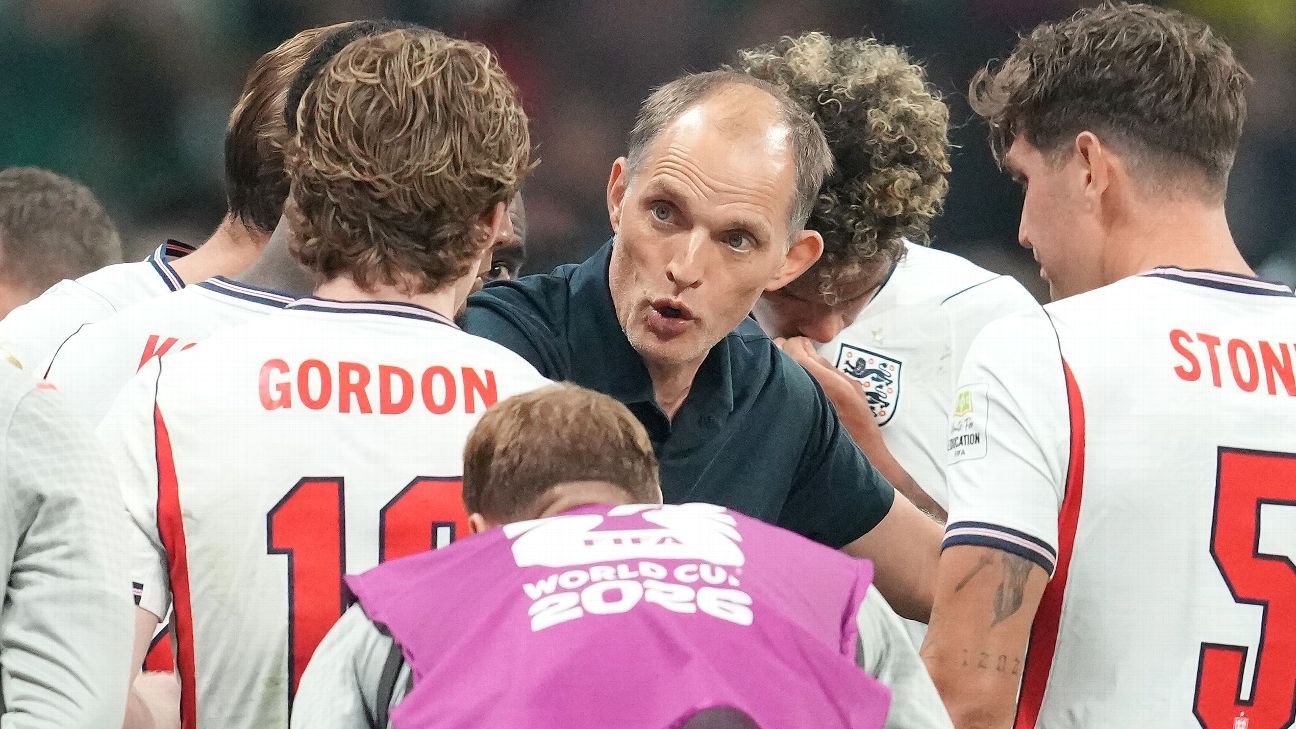
When Thomas Tuchel walked into the England dressing room, the nation was already split. On one side, the left‑leaning, possession‑heavy philosophy that made Spain a six‑time world champion still lingers in the collective memory. On the other, the raw, unpredictable energy of the Premier League—what fans call “chaos”—has a proven track record of turning underdogs into winners. The headline question is simple: should england choose the calm of Spanish football or embrace the instability of the Premier League? And why does that matter to a club like Barcelona, with a squad that thrives on both technique and resilience?
The Spanish Blueprint: Calm, Control, and Continuity
Spain’s rise was built on a single, elegant premise: ball retention, positional play, and an almost Zen‑like patience. Think of the 2010 World Cup squad—every move was a choreographed dance, every pass a calculated risk. For England, adopting this model could mean a more disciplined midfield, a clearer transition from defense to attack, and a tactical identity that is difficult to break.
But this isn’t just about tactics. It’s about culture. Spain’s football philosophy is deeply rooted in youth development and a collective mindset—a trait that Barcelona has historically cherished. The club’s La Masia academy, now a goldmine of talent like Pedri and Gavi, embodies this philosophy. If England were to model itself after Spain, it would need a similar pipeline of technically gifted players who can read the game as a team rather than a collection of superstars.
Premier League Chaos: A Double‑Edged Sword
Contrast that with the Premier League, where the term chaos is almost a badge of honour. The league is a high‑octane, high‑pressure environment that rewards quick decision‑making, physicality, and mental toughness. The “chaos” is not a flaw—it’s a proving ground. Players learn to adapt on the fly, to manage injuries, and to thrive in a congested fixture schedule.
England’s current squad, a mix of Premier League stalwarts and international talent, already reflects this ethos. The likes of Harry Kane, Raheem Mawson, and the newly signed Raphinha are products of that chaos. They can deliver in clutch moments, which is exactly what Euro 2024 demands. Yet, the “chaos” also brings inconsistency; a team can win a match in one week and lose the next, which is a risk England cannot afford.
Barcelona’s Perspective: A Mirror and a Lesson
For Barcelona, the debate is a mirror. The club has recently oscillated between a Guardiola‑style possession game and a more pragmatic approach under Xavi and now the new head coach. Their current season (2023‑24) is a crucible of both worlds: a La Liga title race, a Champions League push, and the constant challenge of keeping the squad’s morale high.
Take Pedri, for instance—a player who exemplifies the Spanish model but also thrives in the Premier League’s intensity. His passing range, tactical awareness, and composure under pressure are exactly what England desires. If England adopts a more Spanish‑inspired approach, Pedri and his peers could become the bridge between the two philosophies.
But there’s a cautionary tale: Barcelona’s 2022‑23 season saw them struggle to adapt to the Premier League’s physicality despite an arsenal of technical talent. Their failure to integrate the “chaos” element may have cost them the league title. England must learn from this: a hybrid model that balances possession with physical resilience.
The Season Context: Why Timing Matters
The 2023‑24 season is pivotal for both England and Barcelona. England’s Euro 2024 qualifiers are on the horizon, and every match is a stepping stone to the finals. Meanwhile, Barcelona’s season is a blend of domestic ambition and European aspirations. Both teams are under a microscope—fans, pundits, and the clubs’ own stakeholders.
In this context, Tuchel’s decision is not merely a tactical choice; it’s a strategic pivot. He must decide whether to replicate Spain’s disciplined structure or to harness the Premier League’s unpredictability—perhaps by integrating the best of both worlds. For Barcelona, watching England’s experiment could inform their own tactical evolution, especially as they prepare for the next Champions League season.
My Take: A Hybrid Tactics for a Hybrid Era
If I had to predict the outcome, I’d say England should adopt a hybrid model. The Spanish philosophy provides a strong defensive foundation and a fluid attacking play that can break down even the most stubborn defenses. The Premier League’s chaos injects the mental toughness and physical edge required for knockout tournaments.
This hybrid approach isn’t unprecedented. Look at the Irish national team under Declan Rice, who blends possession with high pressing, or the German national team’s recent shift to a more flexible 4‑2‑3‑1. England can follow suit by employing a base of possession‑first tactics while allowing for a high‑tempo, high‑pressing second half of the game. The key is consistency—ensuring that the team’s identity doesn’t shift mid‑season.
For Barcelona, the lesson is clear: if they want to stay competitive in both La Liga and the Champions League, they need to adopt a similar hybrid model. They must preserve the technical brilliance of their youth system while also embracing the physical demands of European competition.
Looking Ahead: What Fans Should Expect
In the short term, expect England to experiment. The first quarter of the Euro 2024 qualifiers will reveal whether the Spanish‑style control can coexist with Premier League intensity. Barcelona will likely mirror this experimentation, tweaking their style as they navigate the season’s dual demands.
Longer term, the success of this hybrid model will hinge on talent development, squad depth, and a clear tactical identity. If England can master the balance, they might finally answer the question that has plagued them for decades: How do you win?
In the end, the answer may lie in blending the best of both worlds—taking the calm of Spain and the chaos of the Premier League to create a team that is technically sound, mentally tough, and ready to win on the big stage.
Source: Should England try to emulate Spain or embrace Premier League 'chaos'?