Simeone’s Respect for Mourinho: A Madrid Derby That Could Re‑ignite Barcelona’s Tactical Fire
When Respect Turns the Tide: What Simeone’s Admiration for Mourinho Means for Barça
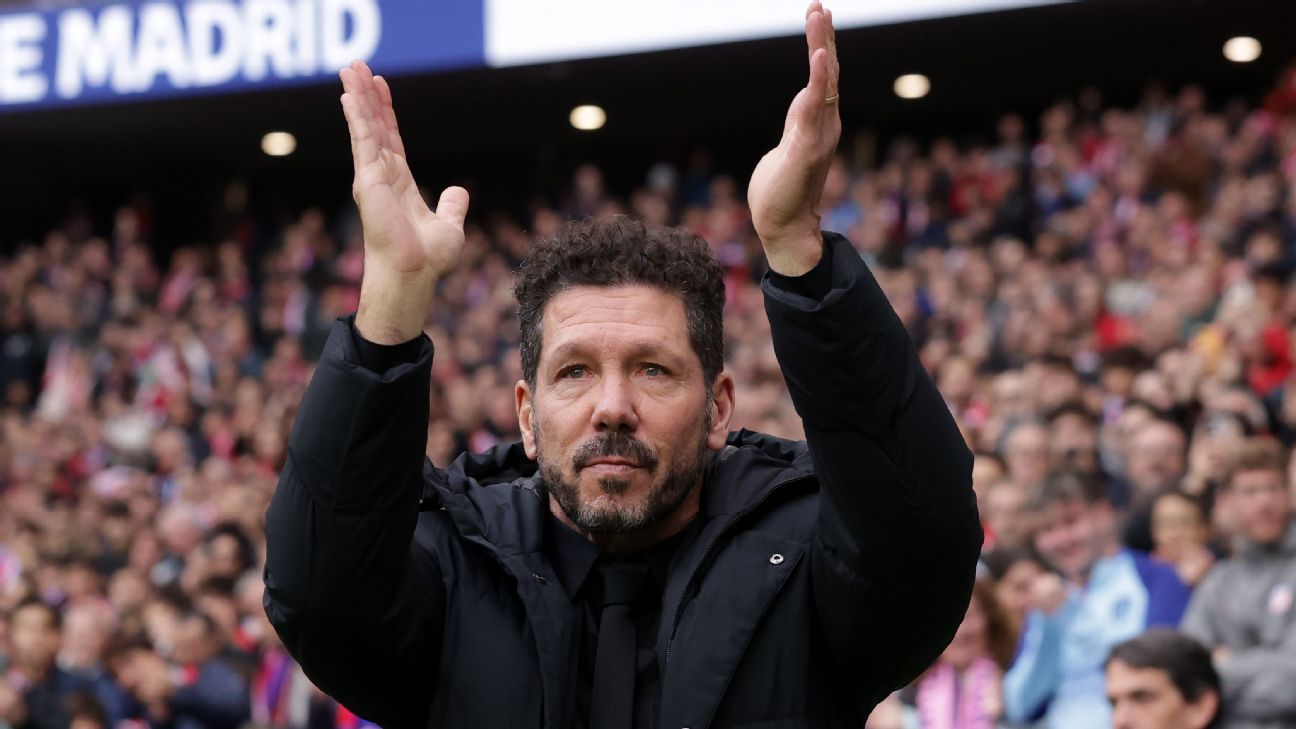
It’s a headline that could have landed in any football column: Simeone has “huge respect” for Mourinho. But in a world where pundits are quick to criticize and managers are quick to dismiss, a public acknowledgement of another coach’s genius can feel like an act of bravery. For Diego Simeone, the man who has carved Atlético into a fortress of disciplined pressing and counter‑attack, to admit that José Mourinho—whose meticulous game‑plans have yielded trophies across Europe—holds a place of respect in his mind is a statement that reverberates far beyond the 80‑minute match on Sunday.
Two Masterminds, One Match
The Madrid Derby is rarely a simple fixture; it is a clash of philosophies. Mourinho’s Real Madrid is a squad built on a defensive spine that turns into a nightmare for opposition when the ball is turned over. Simeone’s Atlético, by contrast, thrives on rhythm, collective work‑rate and the belief that the team is stronger than the sum of its parts. When the two meet, the game becomes less about who scores first and more about who can out‑think the other. It is in this context that simeone’s respect for mourinho truly shines: he acknowledges that a manager of Mourinho’s calibre can read the game with the same precision he does.
Why It Matters for Barcelona
Barcelona’s current season has felt a little too safe. Guardiola’s 4‑3‑3, while still deadly on the counter‑attack, has been marred by a perceived lack of creative freedom for the midfield and a reliance on the likes of Pedri and Frenkie de Jong to hold the line. The respect that simeone has for mourinho could be a subtle cue for Barça fans: perhaps it is time to broaden the tactical palette. Mourinho’s emphasis on structure, defensive solidity and psychological warfare is not at odds with Barcelona’s brand of possession; it is an alternative lens through which to view the game. Barcelona could learn from the way Mourinho turns a team’s mental edge into tangible results—something that could be vital as the club pushes towards a Champions League run.
A Brief History of the Madrid Rivalry
The last time these two managers faced off was in the 2014 Copa del Rey final, a match that ended in penalties and left the scoreline 1‑1. That game was a snapshot of the evolving Spanish football narrative: a younger, possession‑based Barcelona, a more pragmatic Atlético, and a Mourinho‑led Real Madrid that could dominate on either side of the pitch. The rematch in Sunday’s derby is the first since that historic encounter, and the stakes are higher. The game is not just about bragging rights; it is a test of whether the modern tactical revolution can be challenged by the old guard’s meticulous planning.
Implications for the Season
For Barcelona, the outcome of the Madrid Derby will ripple across the league standings and the mental health of the squad. A win would reinforce the belief that Barça’s style is still the best in Spain, while a loss could spark an introspective review. The club’s defensive frailties—exposed by both Real Madrid and Atlético—have forced the coaching staff to rethink their approach. If simeone can temper his aggressive pressing with Mourinho’s disciplined structure, Barcelona might find a new equilibrium that balances flair with solidity.
Meanwhile, the managers themselves could influence the broader football ecosystem. If mourinho continues to win, he will reinforce the notion that a tactical, almost surgical approach can dismantle even the most possession‑oriented teams. Conversely, if simeone finds a way to out‑play a disciplined opponent, it will further cement the belief that relentless pressure and collective work‑rate are the keys to modern success.
A Call to Action for Barça Fans
At the end of the day, the story is not just about two coaches; it is about what Barcelona fans can glean from this rivalry. The respect that simeone shows for mourinho should not be taken as a sign that Barcelona needs to abandon its identity. Instead, it’s a reminder that football is a chess game with many moving parts. Guardiola may continue to adapt, but the club may also need to incorporate elements of counter‑pressing, disciplined zonal coverage, and psychological readiness—all hallmarks of Mourinho’s playbook.
Barcelona’s next challenge is to integrate these lessons without sacrificing the brand of beautiful, flowing football that defines the club. The Madrid Derby offers a glimpse of what that balance might look like; it gives us a blueprint for the kind of tactical flexibility that could help the club climb back to the top of both La Liga and the Champions League.
Final Thoughts
Simeone’s public respect for Mourinho is more than a diplomatic courtesy—it is a recognition that football’s greatest battles are fought in the mind as much as on the pitch. For Barcelona, it is a call to broaden the tactical horizon and embrace a hybrid model that blends possession, creativity and disciplined structure. As we watch the two teams battle for the coveted shield, we should remember that respect is the first step toward innovation. Let’s hope that the lessons from Madrid’s storied derby translate into a brighter season for Barça, one where the beautiful game meets the brutal realities of modern football.