Julian Ward Takes the Helm: Liverpool's New Sporting Director and the Barcelona Connection
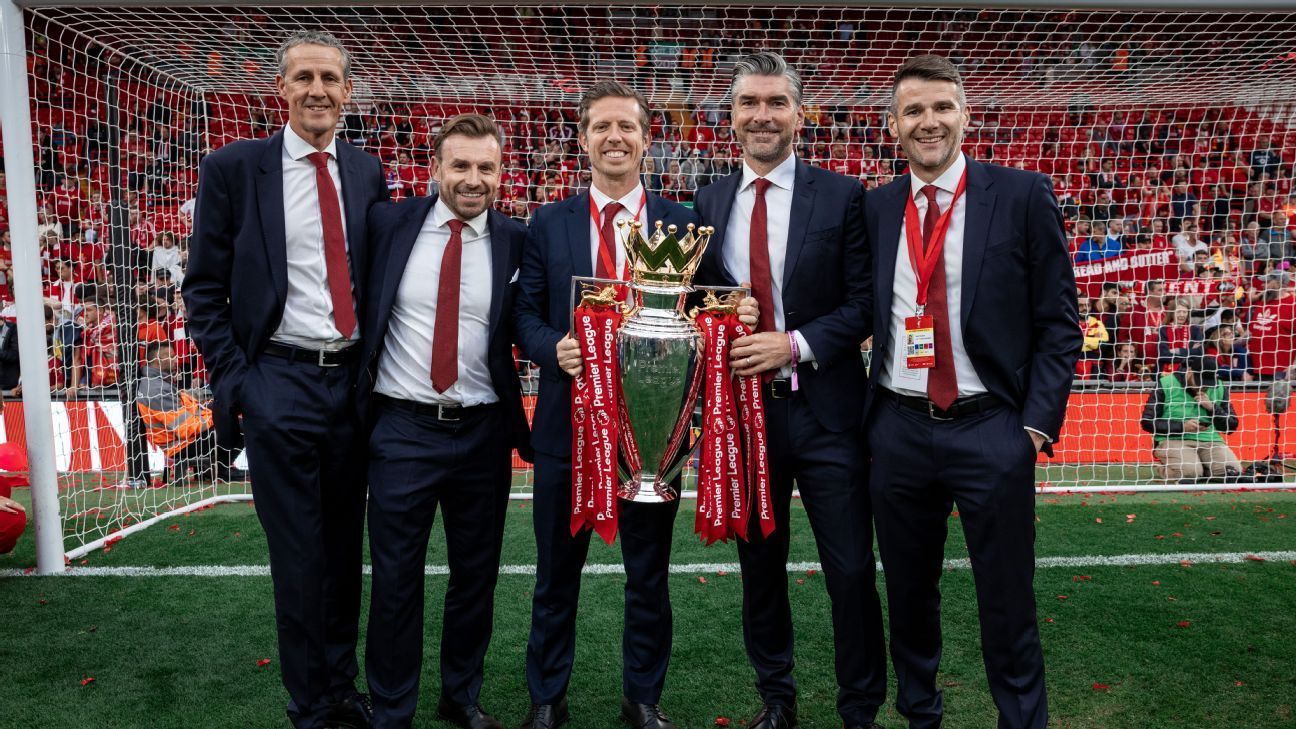
The appointment of Julian Ward as Liverpool's new sporting director marks a turning point for Anfield’s ambitions. With a long‑standing reputation for shrewd acquisitions and a deep understanding of Premier League dynamics, Ward steps into a role that will shape the club’s competitive edge for years to come.
Who is Julian Ward? Born in 1974, Ward began his career in the sports agency world before moving into executive roles at several top clubs. His tenure at Liverpool’s scouting and recruitment department was marked by a keen eye for talent and a knack for balancing the books. He was instrumental in bringing pivotal players such as Trent Alexander‑Arnold and James Milner to the club, demonstrating a blend of analytical rigor and instinctive player assessment.
Ward’s first test will be the futures of Virgil van Dijk and Alisson Becker. The Dutch centre‑back and Brazilian goalkeeper are the defensive pillars of Liverpool’s current system, yet both are entering the twilight of their prime. The decision on whether to renew contracts, extend loan deals, or let them go will send shockwaves through the transfer market. Ward must weigh the financial implications, the squad’s tactical needs, and the desire to keep a cohesive core while also injecting fresh talent.
Why does this matter for Barcelona? In a football ecosystem where every club’s transfer strategy ripples across the continent, Liverpool’s choices will affect Barcelona’s own market calculations. The Spanish giants have a long‑term vision that hinges on youth development and strategic acquisitions. A move to strengthen Liverpool’s defense could spur a bidding war for emerging talents that Barcelona might have been eyeing, or alternatively, it could open up a window for Barca to swoop in with competitive offers. Moreover, the ripple effect on the Premier League’s defensive standards will influence Barcelona’s own defensive recruitment, especially if Liverpool’s new defensive line proves to be a benchmark.
From a player perspective, van Dijk and Alisson’s futures are not just about contract clauses; they signal a broader shift in Liverpool’s playing philosophy. Ward’s approach to scouting will likely emphasize versatility and data‑driven performance metrics, aligning with the club’s modern tactical framework. A new defensive partnership could also alter the rhythm of matches, affecting how Barcelona’s midfielders adapt when facing a restructured Anfield side. The potential introduction of a younger, more dynamic centre‑back or an agile goalkeeper could change the way Liverpool approaches set‑pieces and aerial duels, thereby influencing how Barcelona’s forwards and midfielders strategise against them.
The 2026/27 season will hinge on Ward’s decisions. A well‑executed transfer strategy could see Liverpool challenge for the Premier League title and secure a spot in the Champions League final, while a misstep could see the club fall short of expectations. For Barcelona, this translates into a recalibration of their own ambitions: if Liverpool’s defense becomes a model of solidity, Barcelona’s focus might shift to reinforcing their own backline or investing in a high‑tech defensive system. Ultimately, Ward’s appointment is a reminder that football’s off‑pitch moves are as crucial as on‑pitch performances, and every club—especially one as globally influential as Barcelona—must stay attuned to these developments.
In short, Julian Ward’s arrival is not just a new chapter for Liverpool; it is a pivotal moment that will reverberate throughout European football. The decisions he makes on van Dijk, Alisson, and the upcoming talent pipeline will determine whether the Reds can keep pace with the top clubs, and they will also shape the strategic landscape for Barcelona and other clubs competing for the same coveted players.
Source: Who is Liverpool's new sporting director Julian Ward and what does he need to do?