Tuchel’s Calm Amid City’s Storm: What England’s Loss Says About Football’s Financial Tightrope
Tuchel’s Calm Amid City’s Storm: What England’s Loss Says About Football’s Financial Tightrope
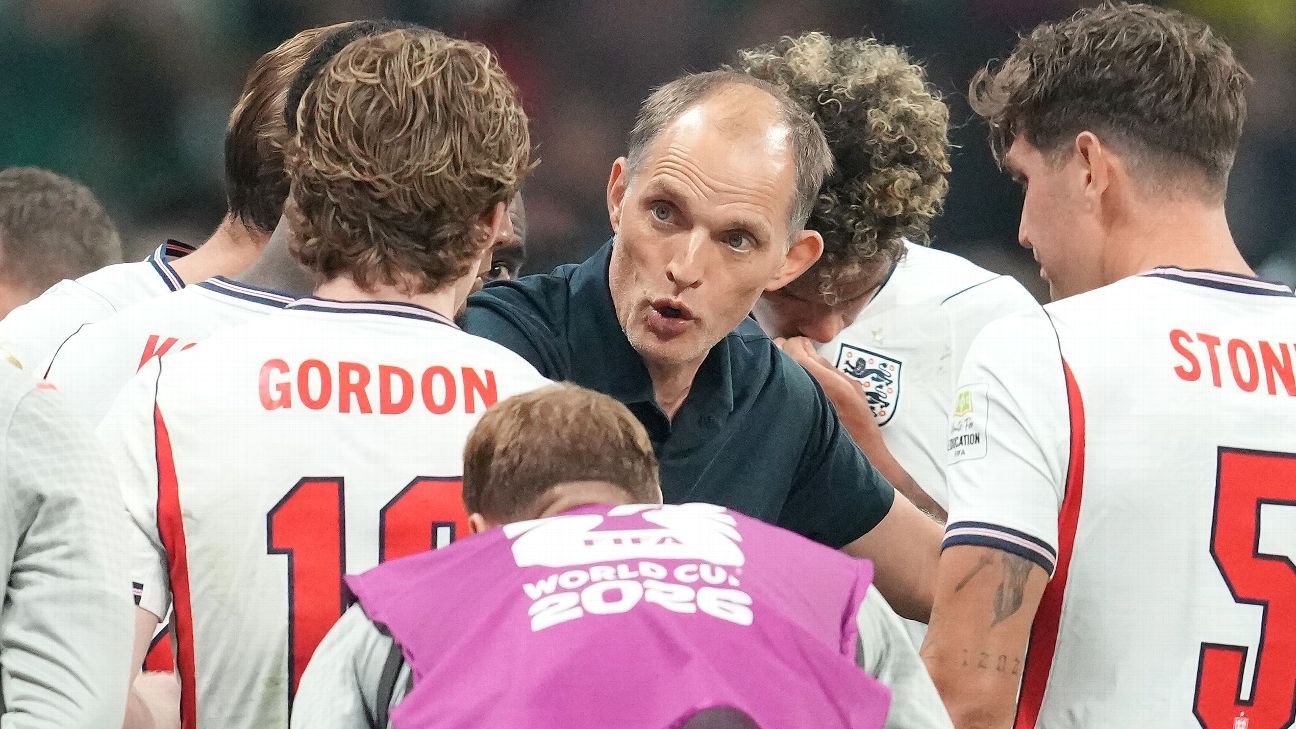
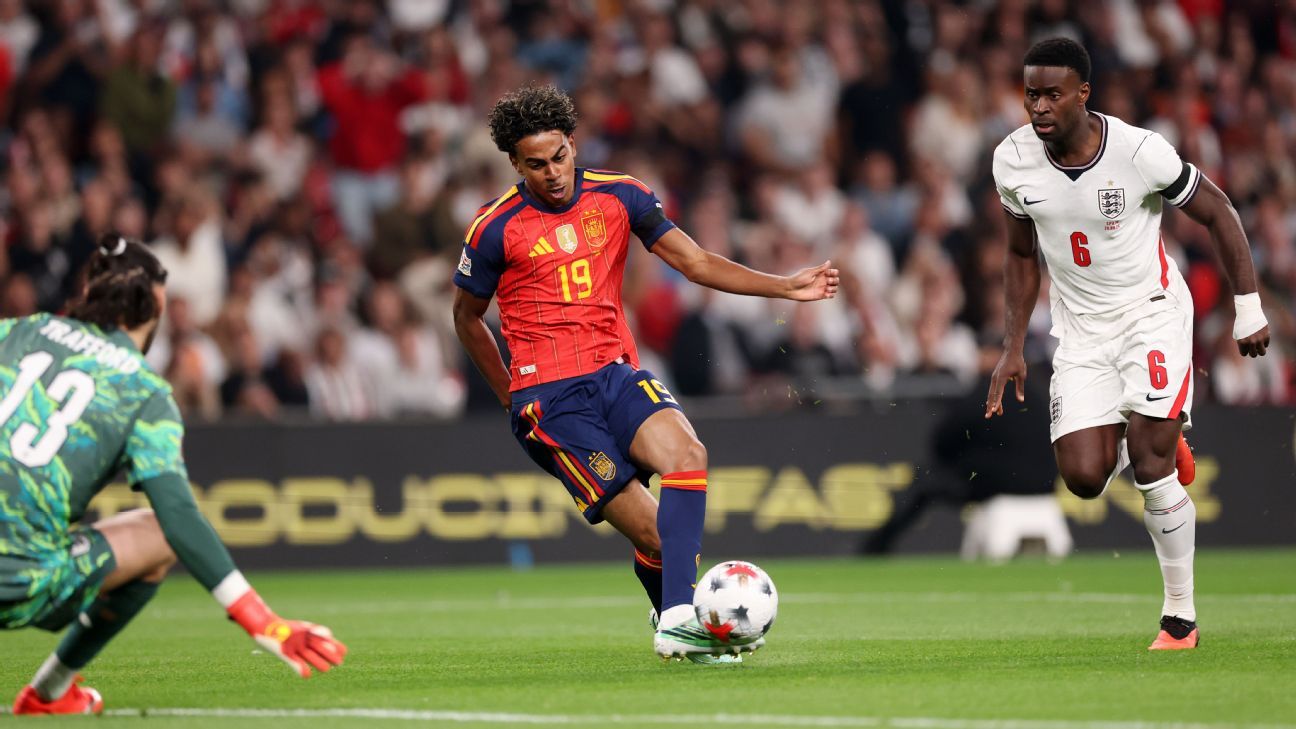
When Thomas Tuchel told reporters that the looming punishment for Manchester City’s alleged financial rule breach had not distracted his England squad in the 3‑2 Nations League defeat to Spain, he was essentially saying, “We’re not playing football while the press is shouting about money.” On the surface it sounds like a reassuring reassurance to fans, but the statement is a micro‑cosm of a much larger narrative that’s reshaping football—one that also reverberates through the corridors of FC Barcelona and the broader European football calendar.
The Immediate Aftermath: A Nation’s Disappointment
England’s loss to Spain was a glaring omission in a campaign that already feels precarious. With the Nations League being a crucial stepping‑stone to Euro 2024, the defeat sends a stark message: England’s squad, brimming with talent, is still struggling to find a cohesive rhythm. The fact that Tuchel could point to external distractions and dismiss them only underscores how the team’s tactical issues, rather than off‑pitch drama, are at the heart of the problem. The match also highlighted the real‑world consequences of a “two‑team” system: a national side can be undermined by the financial machinations of a club that shares a player or a manager.
Why the City Story Matters to Barcelona
Barcelona’s own financial woes are not a secret. The club has been battling mounting debt, failed ownership deals, and the looming threat of UEFA sanctions. The City‑City link‑up, on the other hand, is a reminder that clubs across the Premier League and the Champions League are under the microscope. The potential punishment for City could take the form of a points deduction, transfer‑ban, or even a fine that would ripple through the entire league. If City were sanctioned, the ripple effect would be felt by all clubs—including Barcelona—because the financial ecosystem is tightly interwoven. The financial rules are designed to create a level playing field, but they also create a climate of uncertainty that clubs like Barca must navigate.
In a sense, Tuchel’s dismissal of the City distraction is a subtle nod to the fact that footballers and managers are constantly juggling on‑field performance with off‑field controversies. Barcelona’s own players—such as Pedri, who recently signed a new contract, or the seasoned veterans like Riquelme—are all aware that their club’s financial standing can influence everything from transfer budgets to the ability to attract top talent.
The Bigger Picture: Financial Fair Play in the Age of Globalisation
The conversation around City’s potential punishment sits at the intersection of financial fair play (FFP) and the new era of globalised football. FFP was born out of a need to prevent “money‑wasting” clubs from dominating the sport, but it has evolved into a bureaucratic labyrinth that can derail entire seasons. Tuchel’s statement, therefore, is part of a broader narrative: the sport is being forced to reckon with its own economic realities.
The implications for Barcelona are twofold. First, they must maintain rigorous financial discipline while still competing for titles. Second, they must be prepared for the possibility that a sanction against a major club like City could shift the competitive balance in the Premier League and, by extension, the Champions League. This could open doors for clubs that have been historically under‑funded, potentially reshaping the European football hierarchy.
The Season and the Stakes
The 2023‑24 season is proving to be one of the most turbulent in recent memory. For England, the Nations League loss is a blow that will be felt for the rest of the qualification campaign. For Barcelona, the season has been a rollercoaster: a dip in La Liga form, a mid‑season cup exit, and a Champions League run that ended too early. The financial backdrop only adds to the urgency. If City is punished, the Premier League could see an even more competitive spread, possibly benefiting clubs like Liverpool or Chelsea. Meanwhile, Barcelona’s own future is teetering between maintaining its status as a European powerhouse and ensuring long‑term financial sustainability.
What Does This Mean for Fans and the Future of Football?
For fans, the narrative is a sobering reminder that football is as much about money as it is about skill. Tuchel’s calm stance is a message that the game’s integrity was preserved, but it also serves as a warning that financial missteps can have far‑reaching consequences. The case of City will force clubs to scrutinise their budgets, hear the whistle of the new FIFA and UEFA regulations, and potentially rethink their transfer strategies.
For Barcelona, the message is clear: keep the books tight, stay compliant, and avoid the pitfalls that have befallen clubs like City. The club’s management must balance ambition with prudence if they hope to remain competitive on both domestic and European stages.
Final Thoughts
Thomas Tuchel’s comment may sound like a simple dismissal, but it opens a Pandora’s box of financial, tactical, and philosophical questions that will shape the rest of the season. For England, it’s a reminder that the team’s issues lie on the pitch. For Barcelona, it’s a call to stay vigilant in the financial arena. And for football as a whole, it’s a sign that the sport is increasingly being judged not just by the goals scored, but by the dollars spent.
In the end, the City story underscores a simple truth: in modern football, a club’s coffers, a national team’s morale, and a season’s narrative are all intertwined. The stakes are high, the scrutiny is intense, and the only certainty is that change is inevitable.
Source: Tuchel: City charges didn't distract England in loss